
The Best Cast Iron Cookware, According to Chefs and Experts
According to professional chefs and culinary experts, the best cast iron cookware features high-density machine-cast iron cores paired with either a multi-layered vitreous porcelain enamel glaze or a perfectly polymerized raw iron surface. Culinary professionals prioritize cast iron for its unmatched thermal battery effect, uniform heat distribution across stovetop-to-oven environments, and lifelong durability that outlasts synthetic pans.
1. What Professional Chefs Demand from Cast Iron
In high-pressure commercial kitchens and home gourmet settings alike, chefs evaluate cookware based on rigorous performance standards:
- Thermal Mass and Heat Retention: Professional chefs rely on heavy-gauge cast iron because it stores vast amounts of thermal energy, ensuring that steaks sear instantly and braises simmer at a stable, uniform temperature without hot spots.
- Dual-Environment Versatility: Expert kitchens require cookware that transitions seamlessly from high-powered gas burners or induction cooktops directly into hot ovens or broilers without warping or degrading.
2. The Expert Split: Enameled vs. Raw Iron in Pro Kitchens
Culinary experts typically split their arsenals between two specialized types of cast iron depending on the cooking technique:
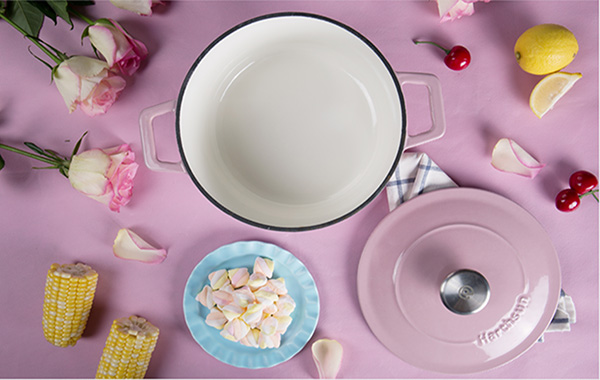
- Enameled Cast Iron Dutch Ovens: Favored for long-simmering stews, French onion soups, artisan sourdough bread, and acidic tomato reductions. Chefs love them because the porcelain glaze is 100% rustproof and requires zero seasoning.
- Raw Pre-Seasoned Skillets: Favored for high-heat searing, smash burgers, and cast-iron baking where building a natural, slick oil-polymerized non-stick patina over years of heavy use is an advantage.
Chef-Preferred Cast Iron Categories
| Cookware Category | Primary Chef Application | Key Expert Advantage | Manufacturing Standard |
| Enameled Dutch Oven | Braising, stews, bread baking | Acid-safe, rustproof, zero seasoning needed | High-density machine-cast blank with kiln-fired glaze |
| Cast Iron Skillet | Searing steaks, pan pizza, frying | Builds natural non-stick patina over time | Heavyweight iron-carbon alloy with factory seasoning |
| Cast Iron Grill Pan | Indoor searing, char lines | Deep ridges drain fats and create grill marks | Uniform wall thickness with high thermal mass |
Frequently Asked Questions (FAQ)
What brand of cast iron do professional chefs use?
Professional chefs often use heirloom-quality brands known for precise engineering, such as Le Creuset and Staub for enameled Dutch ovens, and Lodge for durable raw cast iron skillets.
Why do chefs prefer enameled cast iron for braising?
Enameled cast iron provides the heavy-duty thermal retention of traditional iron while offering a completely inert glass surface. This allows chefs to simmer high-acid ingredients like wine and tomatoes for hours without metallic taste transfer or seasoning damage.
Is expensive cast iron actually better than budget cast iron?
Often, yes. Premium cast iron utilizes advanced automated machine-casting to create dense blanks with uniform wall thicknesses, eliminating micro-porosities that cause warping, uneven heating, or cracking under extreme thermal stress.
Do professional kitchens use raw or enameled cast iron more?
They use both. Enameled cast iron is standard for sauces, soups, and braises, while raw cast iron is heavily utilized on the line for high-heat searing and quick pan-frying.
What specific type of cast iron cookware or recipe application would you like to explore next?