
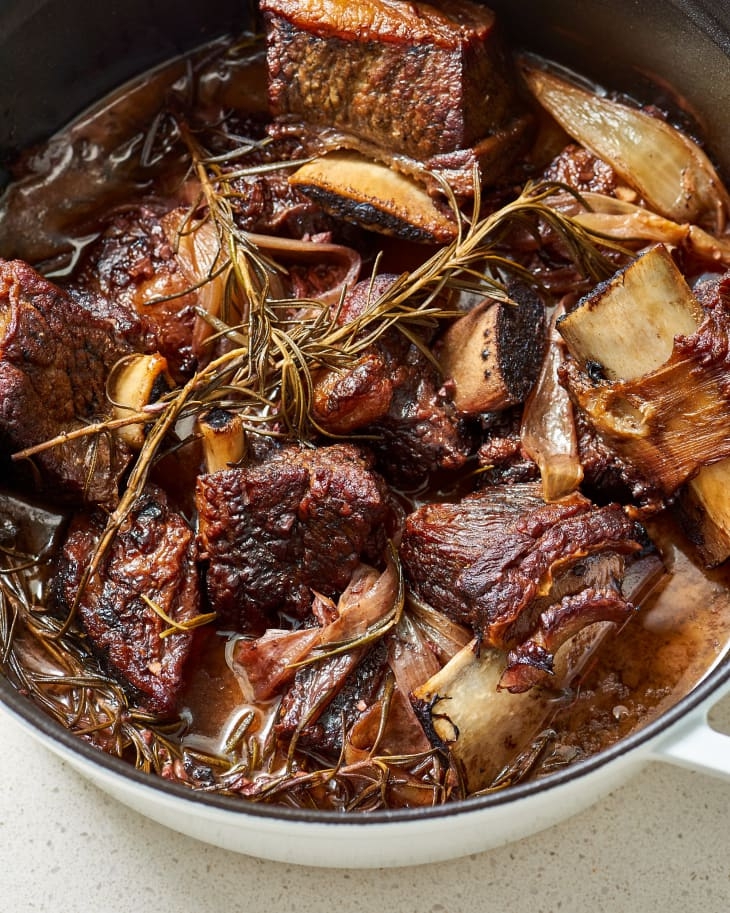
Unlocking Culinary Magic: What to Cook in Your Dutch Oven
A Dutch oven is the ultimate kitchen workhorse, capable of transforming simple ingredients into extraordinary meals. The absolute best dishes to cook in a Dutch oven include slow-braised meats (like short ribs and pot roasts) that benefit from the pot's self-basting lid, artisan sourdough and no-knead breads that rely on trapped steam for a shatteringly crisp crust, rich soups and chilis made possible by even heat distribution, and one-pot pasta bakes that transition seamlessly from stovetop burner to high-heat oven.
1. Slow-Braised Meats and Tender Roasts
If there is one culinary technique where the Dutch oven reigns supreme, it is braising.
- The Science of Tenderness: Tough cuts of meat—such as beef short ribs, chuck roasts, lamb shanks, and pork shoulders—contain abundant connective tissue (collagen). When cooked slowly in a heavy, enameled Dutch oven, that collagen melts into gelatin, creating meltingly tender meat wrapped in a rich, glossy sauce.
- Self-Basting Lid Design: Heavy lids equipped with internal condensation spikes or dimples capture moisture evaporating from the stew and continuously drip it back down onto the meat, ensuring it never dries out during long simmers.
2. Artisan Sourdough and No-Knead Bread
In recent years, the Dutch oven has become the secret weapon of home bakers worldwide for achieving professional bakery-quality bread.
- Mimicking Commercial Stone Decks: By placing a pre-heated empty Dutch oven into a 230°C to 260°C (450°F to 500°F) oven with your bread dough inside and locking the lid on, you trap the moisture escaping from the dough. This creates a high-steam microenvironment that allows the loaf to achieve maximum oven spring before setting a blistered, crackling crust.
3. Hearty Soups, French Onion, and Long-Simmered Chilis
Soups and stews require stable thermal equilibrium to develop deep, complex flavor profiles without burning at the bottom.
- Even Heat Distribution: Because heavy cast iron acts as a thermal battery, it radiates gentle, uniform heat across the entire base. This allows onions to caramelize slowly for French onion soup, beans to soften evenly in a Texas chili, and stocks to reduce to a velvety consistency without sticking or scorching.
4. One-Pot Pasta Bakes and Braised Vegetables
The Dutch oven's stove-to-oven versatility makes it ideal for complete one-pot meals. You can sear chicken thighs or vegetables directly on the stovetop, add broth, pasta, and cheese, and then transfer the entire vessel into the oven to bake a bubbling, golden casserole with minimal cleanup.
Dutch Oven Culinary Matrix
| Dish Category | Best Recipe Examples | Core Culinary Advantage | Recommended Technique |
| Braised Meats | Beef Short Ribs, Pot Roast, Osso Buco | Melts collagen into rich gelatin via steady heat | Sear on stovetop, add liquid, cover, and braise low in oven. |
| Artisan Bread | Sourdough, No-Knead Dutch Oven Bread | Traps steam to create a shattering, crisp crust | Preheat empty pot in oven, drop dough in, bake covered then uncovered. |
| Soups & Chilis | French Onion Soup, Beef Stew, Chili Con Carne | Prevents scorching during long, steady simmers | Sauté aromatics on medium heat, add liquids, simmer gently. |
| One-Pot Bakes | Braised Cabbage, Chicken & Rice, Baked Pasta | Seamless stove-to-oven high-heat transition | Brown proteins on burner, mix starches/liquids, bake uncovered. |
Frequently Asked Questions (FAQ)
What are the best foods to cook in a Dutch oven?
The best foods to cook in a Dutch oven are slow-cooked braises (like short ribs and pot roasts), artisan breads, thick stews, chilis, and one-pot braised vegetable or chicken dishes that benefit from steady, all-around thermal radiation.
Why is a Dutch oven better than a regular pot for baking bread?
A Dutch oven traps the natural steam released by baking bread dough under its heavy lid. This high-humidity environment prevents the bread crust from hardening too early, allowing maximum expansion ("oven spring") and producing a professional, crispy crust.
Do I need to preheat my Dutch oven when baking bread?
Yes. When baking artisan bread, you should place your empty Dutch oven with its lid on into the oven while it preheats for 30 to 45 minutes. Dropping your sticky dough into a blazing-hot pot initiates immediate thermal reaction and crust formation.
Can I cook acidic dishes like tomato sauce in an enameled Dutch oven?
Yes. Enameled cast iron features a non-reactive porcelain-glass interior glaze that is completely inert. You can simmer high-acid ingredients like tomato marinara or wine-based reductions for hours without any metallic leaching or flavor alteration.