
What Is Cast Iron Cookware? The Comprehensive Material & Science Guide
Cast iron cookware is a heavy-duty kitchen material manufactured by pouring a molten iron alloy—typically containing 2% to 4% carbon and 1% to 3% silicon—into geometric sand molds. Celebrated for its high thermal mass, it acts as a heat battery, retaining and radiating immense thermal energy compared to lighter metals like aluminum. When properly treated through a process called seasoning (baking unsaturated oils onto the surface to trigger polymerization), raw cast iron develops a durable, dark, hydrophobic (water-repelling) coating that functions as a natural non-stick cooking layer.
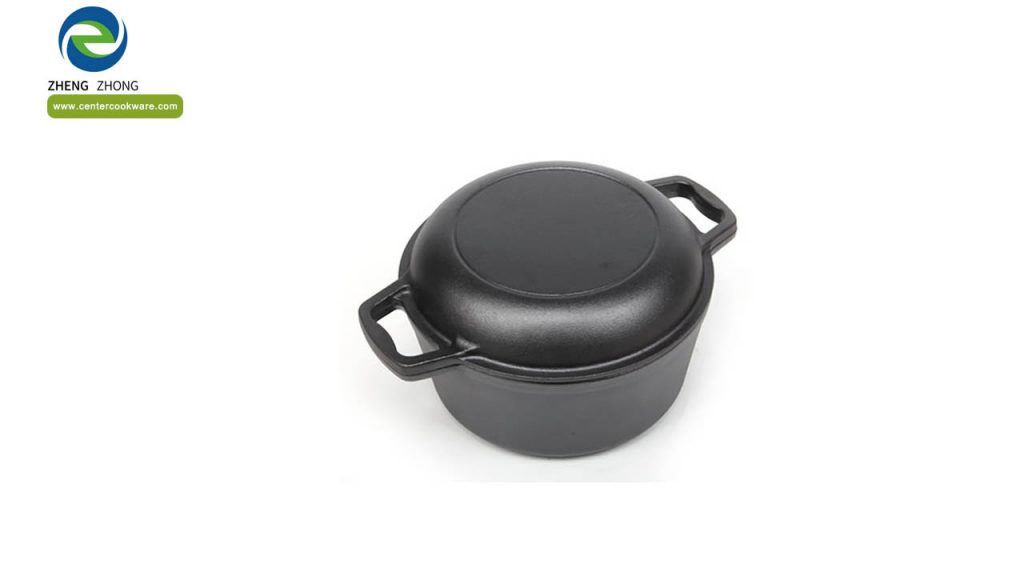
1. The Metallurgy: What Exactly Is "Cast Iron"?
The name "cast iron" comes directly from its manufacturing origin. Foundries heat iron along with scrap steel, carbon, and limestone until it reaches a molten state. This liquid alloy is then poured into a custom green-sand mold to solidify.
From a metallurgical perspective, cast iron is distinguished from steel and wrought iron by its exceptionally high carbon content (greater than 2%). This carbon behaves differently based on how it cools:
- Gray Cast Iron: The most common form used for skillets and Dutch ovens. The carbon cools into microscopic graphite flakes dispersed within the iron matrix. These flakes give the pan its signature grey color, high wear resistance, and the ability to absorb vast amounts of structural heat.
- The Casting Skin: Freshly cast pans emerge from sand molds with a rough, textured surface. While basic utility brands leave this texture intact, high-performance modern foundries use industrial tumbling or interior lathing to achieve a smooth, satin-like surface similar to vintage cookware.
2. The Science of Heat: Thermal Mass vs. Conductivity
A common cooking misconception is that cast iron heats perfectly evenly. Scientifically, iron is actually a relatively poor heat conductor compared to copper or aluminum. If you place a cold iron skillet over a small stove burner, it will initially form an intense hot spot right above the flame.
However, cast iron completely dominates competing materials through its Thermal Mass and Volumetric Heat Capacity:
- Heat Storage: Because iron is incredibly dense and cast pans are manufactured with thick bases and walls, it requires more energy to heat up but stores significantly more energy per cubic inch.
- The Temperature Drop Immunity: When you drop a cold, thick-cut steak into a lightweight aluminum pan, the pan's surface temperature crashes immediately. When you drop it onto a fully preheated cast iron skillet, the skillet's massive reservoir of stored thermal energy sears the meat instantly without a drop in cooking temperature.
3. The Polymerization Secret: What Is Seasoning?
Raw iron is highly reactive and oxidizes quickly when exposed to moisture, forming iron oxide (rust). To make the metal usable, it must undergo seasoning.
Seasoning is not just wiping oil onto a pan—it is a chemical transformation known as fat polymerization.
[Raw Micro-Porous Iron Surface]
+
[Thin Layer of Unsaturated Oil]
+
[High Temperature Heat (>200°C)]
↓
[Hardened, Hydrophobic Plastic-Like Polymer Matrix Layer]
When an unsaturated fat (like flaxseed, grapeseed, or standard vegetable oil) is applied in an ultra-thin layer and baked at high temperatures (typically between 200°C and 260°C), the heat acts as a catalyst. The oil molecules break down, oxidize, and link up into a cross-linked mega-molecule matrix. This matrix fuses directly into the microscopic pores of the iron, creating a smooth, dark, waterproof barrier that naturally releases food.
4. Modern Trends: The Lightening & Precision Milling Revolution
The landscape of cast iron has evolved rapidly. While legacy heavy-duty pans remain foundational staples, premium culinary design has shifted toward addressing traditional pain points: weight and texture.
- Precision Interior Lathing: Modern manufacturers employ automated lathed tumbling to strip away the coarse sand-cast surface, creating smooth pans that achieve slick, non-stick performance after only a few home seasoning sessions.
- Ergonomic Geometry: Emerging designs incorporate longer, balanced, trigger-grip handles and dual loop handles to alleviate wrist strain when moving heavy vessels from stove to oven.
- Indoor/Outdoor Versatility: High-grade American and international cast iron is rated to withstand structural temperatures up to 480°C, making it seamlessly compatible with home induction cooktops, open campfires, and high-heat outdoor commercial grills.
Frequently Asked Questions (FAQ)
Q: Can you use dish soap on a seasoned cast iron pan?
A: Yes. The common myth that soap destroys cast iron dates back to when dish soaps routinely contained harsh lye, which strips away organic coatings. Modern liquid dish soap is gentle and will not break the strong, chemical bonds of a fully polymerized seasoning layer. Avoid abrasive steel wool pads, which can mechanically abrade the coating.
Q: Why does food keep sticking to my new cast iron skillet?
A: Sticking occurs if the pan is not properly preheated or if the seasoning layer is still too thin. Always preheat your cast iron pan slowly over low-to-medium heat for 5 to 10 minutes before adding fats or ingredients. The heat expands the iron and helps lock in your cooking oil.
Q: Can you cook highly acidic foods like tomatoes in cast iron?
A: For short periods, yes. However, prolonged simmering of highly acidic liquids (like tomato sauces or wine reductions) can break down the polymerized seasoning bonds and leach metallic iron into the food, causing a bitter taste. For long, acidic braises, opt for enameled cast iron instead.
Q: What is the fastest way to fix a rusted cast iron pan?
A: Simply scrub away the loose surface rust with warm water, mild soap, and a stiff brush or chainmail scrubber. Once the raw grey iron is visible, dry the pan completely, rub a very thin coat of high-smoke-point oil over the entire surface, and bake it upside down in an oven at 230°C for one hour.
Q: Is cast iron cookware safe for glass-top stoves?
A: Yes, but caution is required. Because cast iron is heavy and has a slightly textured bottom, dragging it across a glass surface can scratch it. Always lift the pan cleanly to move it, and ensure the bottom is free of carbon buildup.