
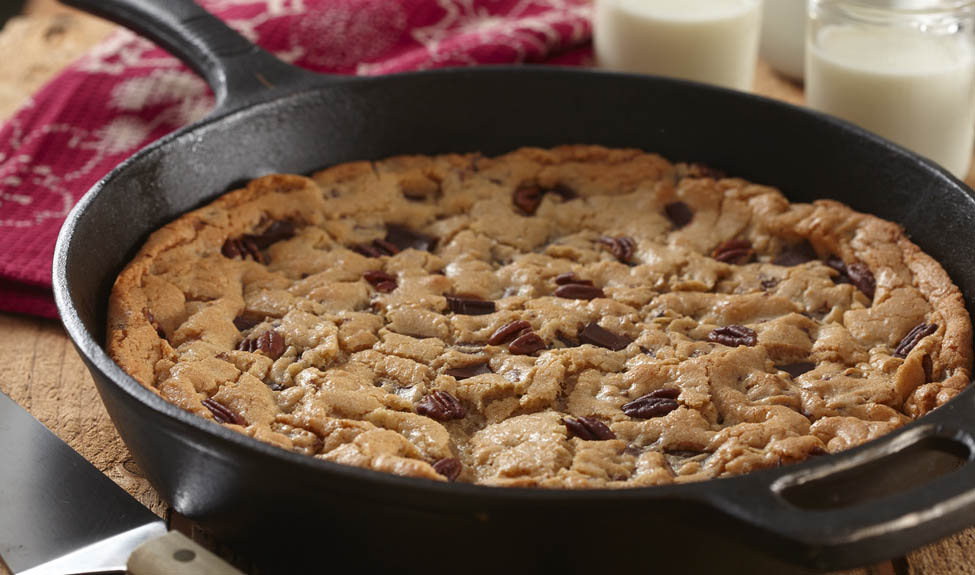
This Is Why You Should Be Baking with a Cast Iron Skillet
You should bake with a cast iron skillet because its heavy thermal mass acts as a thermal battery, radiating intense, uniform heat that creates unmatched crisp crusts on cornbread, pan pizzas, and artisan cakes. Unlike thin metal or glass bakeware, a pre-heated cast iron skillet triggers an immediate thermal reaction the moment batter or dough touches the surface, locking in interior moisture while achieving a professional golden-brown exterior.
1. The Thermal Battery Effect: Unmatched Crusts
When baking in traditional glass or thin aluminum pans, the pan struggles to hold its temperature when cold batter is added, often resulting in pale, soggy crusts.
- Intense Radiant Heat: Cast iron absorbs and stores massive amounts of thermal energy. When you place a pre-heated skillet into a hot oven, it radiates energy evenly from all directions.
- The Ultimate Golden Finish: This steady heat is the secret behind shatteringly crisp edges on cornbread, a deep-dish pizza crust with professional blistered bubbles, and perfectly caramelized edges on fruit cobblers and skillet cookies.
2. Seamless Stovetop-to-Oven Transitions
One of the greatest functional advantages of a cast iron skillet is its dual-environment capability, allowing you to execute multi-step baking recipes in a single pan.
- One-Pan Masterpieces: You can melt butter or caramelize fruit directly on a stovetop burner, pour your cake batter or frittata mixture over the top, and slide the entire skillet straight into a high-heat oven to finish baking. This eliminates extra dishes and builds complex, layered flavors.
3. Natural Non-Stick Performance Without Chemicals
Baking delicate pastries, sticky caramel cakes, or cheesy breads can be stressful if food welds itself to the pan.
- Polymerized Patina: A well-seasoned cast iron skillet features a smooth, naturally polymerized oil surface that releases baked goods effortlessly without requiring synthetic non-stick sprays, parchment paper, or excessive shortening.
Cast Iron Skillet vs. Traditional Bakeware
| Performance Metric | Cast Iron Skillet | Glass Baking Dish | Thin Aluminum Pan |
| Thermal Mass & Heat Retention | Exceptional (Radiates steady heat evenly) | Moderate (Holds heat slowly, drops fast) | Low (Fluctuates rapidly with temperature changes) |
| Crust & Edge Crispness | Superior (Creates instant crust on contact) | Poor to Moderate (Soft, pale edges) | Fair (Prone to uneven browning and hot spots) |
| Stovetop-to-Oven Capability | Complete (Safe on burners and high-heat ovens) | Limited (Stovetop use is restricted or unsafe) | Good (Can transition, but warps easily) |
| Durability & Lifespan | Heirloom Quality (Lasts generations) | Fragile (Prone to shattering from thermal shock) | Short-Lived (Dents, scratches, and degrades quickly) |
Frequently Asked Questions (FAQ)
Why should I bake with a cast iron skillet instead of a regular baking pan?
Cast iron provides vastly superior thermal mass and heat retention. When preheated, it creates a crisp, golden crust on items like cornbread and pan pizzas that thin glass or metal pans simply cannot replicate.
Do I need to preheat my cast iron skillet before baking?
Yes. For recipes like cornbread, pan pizza, or upside-down cakes, placing your empty skillet into the oven while it preheates for 15 to 20 minutes ensures an instant crust formation and prevents sticking the moment batter touches the hot iron.
Can I bake sweet cakes and desserts in a cast iron skillet?
Absolutely. Skillet cookies, peach cobblers, brownies, and cast iron cakes are incredibly popular. As long as your skillet is well-seasoned, your sweet baked goods will not pick up savory flavors from previous meals.
Does baking in cast iron ruin the seasoning layer?
No. In fact, baking in a cast iron skillet—especially recipes that involve butter, oils, or fats—helps maintain and strengthen the polymerized non-stick oil seasoning over time.