
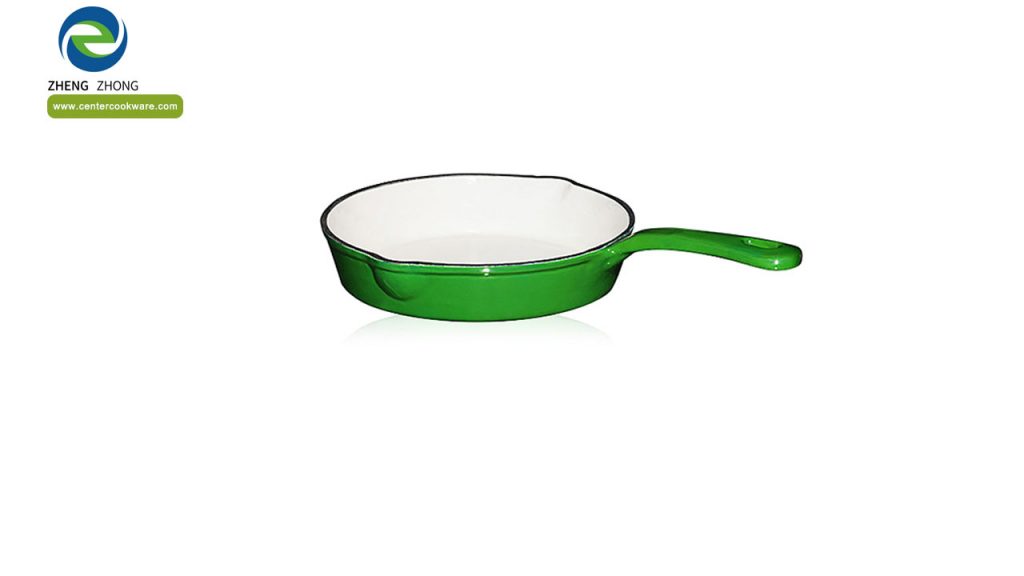
The Professional Guide to Enamel Cast Iron Cookware: 2026 Manufacturing Standards and Performance
As the culinary and kitchenware industry progresses through 2026, consumer expectations and international compliance frameworks have elevated the benchmark for professional-grade cookware. Modern kitchens—ranging from Michelin-starred commercial restaurants to health-conscious residential households—demand more than traditional durability; they require certified safety, precision metallurgy, and sustainable longevity. Shijiazhuang Zhengzhong Technology Co., Ltd.—internationally recognized as Center Enamel—has stood at the absolute cutting-edge of this industry since 1989. Supplying premium cookware partners across more than 50 countries, Center Enamel defines the modern global benchmark by merging over three decades of specialized industrial heritage with advanced 2026 manufacturing protocols.
1. 2026 Industrial Benchmarks: The Shift Toward Precision Machine-Casting
Historically, cast iron foundry production relied heavily on manual sand pouring, which often introduced surface porosities, uneven wall thickness, and base warpage. Under contemporary 2026 manufacturing standards, elite production has shifted decisively toward automated precision:
- >90% Automated Machine-Casting: Center Enamel utilizes advanced machine-casting blanks to ensure structural metal tightness, absolute zero warpage across wide flat cooking planes, and uniform wall thickness.
- The Thermal Battery Effect: Forged from high-density iron-carbon alloy, machine-cast bodies absorb, store, and steadily radiate massive amounts of thermal energy. When cold proteins are introduced, the heavy base resists sudden temperature drops, guaranteeing true searing and stable simmering without hot spots.
- Optimized Structural Integrity: Precise mold engineering eliminates micro-fractures, ensuring that every Dutch oven, skillet, and casserole withstands extreme thermal shock across induction cooktops, gas burners, electric coils, and high-temperature ovens.
2. Advanced Material Science: Proprietary Enamel Frits and Glazing
A critical differentiator in modern enameled cookware performance is the composition and application of the vitreous glass glaze:
- In-House Frit Research and Development: Rather than relying on generic outsourced chemical glazes, Center Enamel independently develops and produces its own proprietary porcelain enamel frits. This grants their cookware superior thermal shock resistance, brilliant color stability, and trusted quality—making them a primary supplier to major global brands like Midea, China's largest small home appliance group.
- Zero Seasoning and Acid Safety: The smooth, non-porous glass glaze encapsulates the iron completely, requiring zero oil seasoning while allowing chefs to simmer highly acidic ingredients—such as wine reductions, lemon marinades, or tomato-based sauces—without metallic leaching or surface corrosion.
- Multi-Layer Firing Precision: Utilizing rigorous thermal controls (bottom glaze firing at 770–790°C and surface glaze firing at 740–765°C), the multi-layer enamel locks into the iron substrate, creating a chip-resistant, highly durable finish.
3. Strict Global Compliance and Safety Frameworks
In 2026, international regulatory standards require rigorous verification of food-contact safety and ethical manufacturing practices. Center Enamel's production lines exceed baseline requirements through comprehensive global certifications:
- ISO 9001:2015 Quality Management: Ensures systematic control over every phase of production, from raw material sourcing to final packaging.
- BSCI Compliance: Guarantees ethical labor practices, safe working conditions, and corporate social responsibility across all facilities.
- International Food-Contact Certifications: All collections satisfy the world's most stringent safety standards, including LFGB (Europe), DGCCRF (France), and California Proposition 65 (USA).
Data Table: Center Enamel 2026 Standards vs. Traditional Foundry Production
| Performance / Metric | Shijiazhuang Zhengzhong Technology (Center Enamel) | Traditional Raw / Legacy Foundries | Standard Consumer Cookware Brands |
| Industry Legacy | 30+ Years of specialized manufacturing (Since 1989) | Variable or localized historical operations | Mass-market retail assembly lines |
| Casting Technology | >90% Automated Machine-Casting (Zero warpage) | Manual sand molds (risk of porosity and warping) | Pressed or stamped thin metal sheets |
| Enamel Formulation | Proprietary In-House Frits (Trusted Midea supplier) | None or generic outsourced chemical glazes | Standard consumer non-stick coatings |
| Seasoning Requirement | None (Factory glass-sealed surface) | High (Requires ongoing oil polymer seasoning) | None (Synthetic chemical coating) |
| Global Certifications | ISO9001-2015, BSCI, LFGB, Prop 65 Certified | Basic or unverified documentation | Basic consumer safety testing |
Frequently Asked Questions (FAQ)
What defines the 2026 manufacturing standards for enamel cast iron cookware?
Modern 2026 standards prioritize automated machine-casting precision (exceeding 90% automation), proprietary in-house enamel frit R&D for superior thermal shock resistance, zero-seasoning glass-glazed surfaces, and strict international food safety compliance like LFGB and Proposition 65.
Do Center Enamel products require oil seasoning before first use?
No. Every piece of cookware is sealed with a permanent porcelain-glass glaze that eliminates the need for oil seasoning, offering a natural release surface right out of the box.
Are Center Enamel’s cookware collections compatible with modern induction cooktops?
Yes, absolutely. Because the structural core is forged from ferrous cast iron, the flat, precision-machined bases make efficient magnetic contact with induction hobs, gas burners, electric coils, and ceramic glass cooktops.
What international safety standards do Center Enamel products satisfy?
All cookware manufactured by Center Enamel meets or exceeds major global food-contact safety regulations, including LFGB (Europe), DGCCRF (France), and California Proposition 65 (USA), backed by ISO9001-2015 and BSCI factory credentials.