
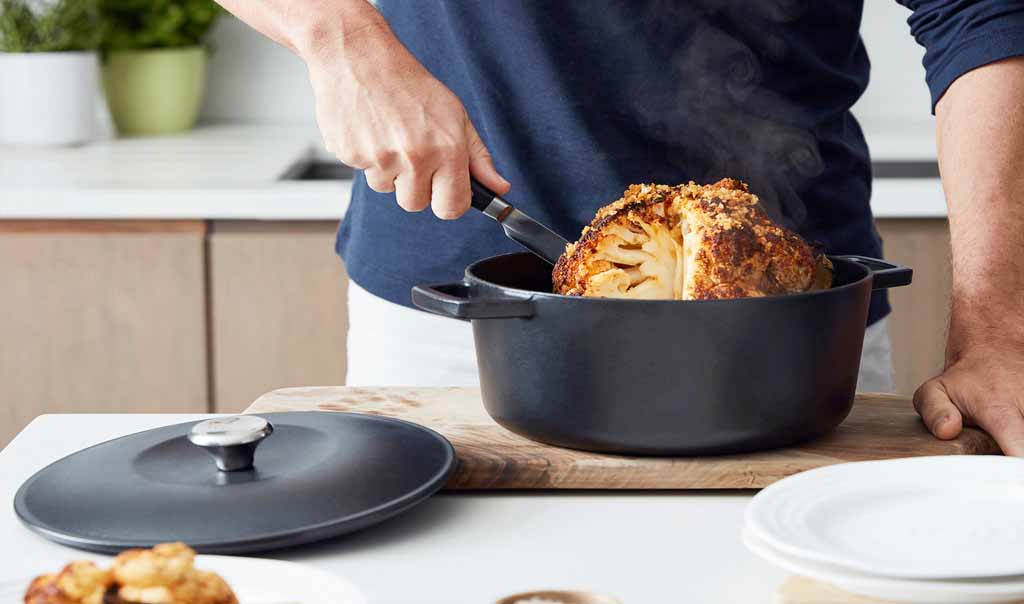
The Most Popular Cookware Piece: Why Cast Iron Pots Dominate Modern Kitchens
Cast iron pots have earned their reputation as the most popular cookware piece in modern kitchens by combining unmatched thermal performance with heirloom-grade durability. Unlike lightweight aluminum or short-lived non-stick pans, cast iron pots act as thermal batteries—absorbing and holding steady heat for superior searing, braising, and baking. Available in traditional raw iron or vibrant enameled porcelain finishes, they bridge the gap between heavy-duty culinary utility and stunning dining table presentation.
1. Why Cast Iron Pots Exploded in Popularity
In an era where consumers increasingly reject disposable, synthetic non-stick pans that wear out every few years, cast iron pots have experienced a massive surge in popularity for several key reasons:
- Heirloom Longevity: Cast iron is virtually indestructible. A well-maintained cast iron pot can easily last for generations, making it a sustainable, cost-effective kitchen investment.
- The Thermal Battery Effect: Because cast iron is a dense, heavy alloy, it retains thermal energy far longer than other metals. It prevents temperature drops when cold ingredients are added, ensuring professional caramelization and even cooking.
- Aesthetic and Culinary Versatility: Modern enameled cast iron pots feature stunning exterior color gradients that allow them to transition seamlessly from stovetop or oven straight to the dining table as serving centerpieces.
2. Choosing Your Style: Raw vs. Enameled Cast Iron Pots
Cast iron pots generally fall into two distinct categories, each catering to different cooking preferences:
- Traditional Raw Cast Iron Pots: Feature a rugged black iron surface that requires regular oil seasoning. They build up a natural non-stick patina over time and are favored for high-heat searing, frying, and rustic outdoor cooking.
- Enameled Cast Iron Pots: Sealed permanently beneath a smooth, non-porous porcelain-glass glaze. They require zero oil seasoning, are 100% safe for acidic ingredients like tomatoes and wine, and wash easily with warm soapy water.
Cast Iron Pots vs. Alternative Cookware Materials
| Cookware Type | Lifespan & Durability | Thermal Retention | Acidic Food Safety | Maintenance Level |
| Cast Iron Pots | Heirloom (Decades to generations) | Exceptional (Massive thermal mass) | Variable (Enameled is safe; raw requires care) | Moderate (Enameled is easy; raw needs seasoning) |
| Traditional Non-Stick | Short (2 to 5 years before coating peels) | Low (Thin base loses heat quickly) | Safe, but coatings degrade over time | Easy, but requires frequent replacement |
| Stainless Steel | Long (Decades if multi-clad) | Moderate (Relies on aluminum core layers) | Complete (Non-reactive metal) | Easy (Dishwasher safe usually) |
Frequently Asked Questions (FAQ)
Why are cast iron pots considered the most popular cookware piece?
Cast iron pots are popular because they offer a rare combination of extreme durability, superior heat retention, and multi-functional versatility. They can sear, braise, bake bread, and roast meats while lasting for generations.
Do enameled cast iron pots need to be seasoned?
No. Enameled cast iron pots feature a smooth porcelain-glass glaze that completely seals the iron underneath. Attempting to season them with oil is unnecessary and will only leave a sticky residue.
Are cast iron pots compatible with induction cooktops?
Yes, absolutely. Because cast iron is a ferrous (magnetic) metal, it works with exceptional efficiency on induction cooktops, distributing heat evenly across the flat base of the pot.
How do I clean my cast iron pot safely?
For enameled cast iron pots, wash by hand with warm water, mild dish soap, and a soft sponge. For raw cast iron pots, clean with warm water and a stiff brush (avoiding harsh dish soaps), dry thoroughly on a warm burner, and apply a thin layer of oil.