
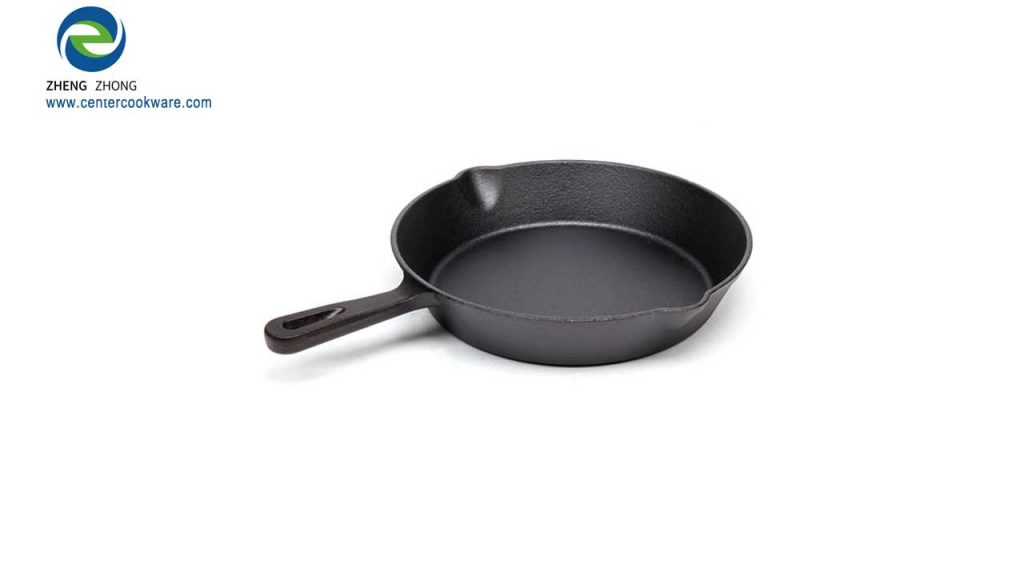
The Essential Benefits of Cast Iron Cookware (2026 Guide)
As culinary preferences shift toward sustainable longevity and health-conscious home cooking, cast iron cookware continues to experience unprecedented global growth. Blending centuries-old metallurgical strength with modern manufacturing precision, cast iron remains the undisputed heavyweight champion of the kitchen.
At Shijiazhuang Zhengzhong Technology Co., Ltd. (Center Enamel), we have dedicated over 30 years to perfecting this craft since our establishment in 1989. Serving partners across more than 50 countries, we combine automated machine-casting with proprietary enamel innovations to deliver world-class cookware standards.
1. Unmatched Heat Retention and Thermal Efficiency
The primary functional benefit of cast iron is its massive thermal mass. Forged from dense iron-carbon alloys, it absorbs, stores, and steadily radiates energy:
- Steady Cooking Temperatures: Heavy-gauge walls prevent sudden temperature drops when cold food is introduced, ensuring flawless searing and uniform simmering.
- Elimination of Hot Spots: Heat distributes evenly across the base and walls, making it ideal for everything from Dutch oven braises to crispy skillet cornbread.
2. Generational Durability and Economic Value
Unlike disposable synthetic non-stick pans that require replacement every few years, quality cast iron is a generational asset:
- Lifetime Resilience: Built to withstand intense commercial kitchen environments or rugged outdoor camping.
- Superior ROI: A single high-performance cast iron pan or Dutch oven delivers decades of reliable daily service, significantly reducing long-term replacement costs.
3. Naturally Non-Toxic and Chemical-Free
In 2026, health-conscious consumers increasingly demand cookware free from synthetic chemical treatments:
- PFAS and PTFE Free: Cast iron provides a naturally inert, coating-free cooking surface that contains no harmful forever chemicals.
- Enameled Acid Safety: Modern enameled cast iron features a fused glass-porcelain glaze that allows chefs to cook acidic foods (such as tomatoes and wine) safely without metallic leaching.
4. Multi-Surface Versatility
Cast iron adapts effortlessly to any culinary technique or heat source:
- Universal Compatibility: Works seamlessly across gas burners, electric coils, ceramic glass, open campfires, and modern induction cooktops.
- Stove-to-Table Transition: Transitions smoothly from high-heat oven baking to elegant tabletop presentation.
Data Table: Cast Iron Benefits vs. Conventional Cookware
| Performance Feature | Center Enamel Cast Iron | Traditional Bare Cast Iron | Standard Non-Stick Cookware |
| Thermal Retention | Exceptional (High mass energy storage) | High | Low |
| Maintenance Effort | Low to None (Enameled options available) | Moderate (Requires seasoning & drying) | Low (Until coating degrades) |
| Acidic Food Safety | Complete (Inert glass glaze) | Poor (Reactions strip seasoning) | Complete |
| Expected Lifespan | Multi-Generational | Multi-Generational | 1 to 3 Years |
Frequently Asked Questions (FAQ)
What makes cast iron better than other cookware materials?
Cast iron offers unrivaled heat retention and structural durability. It holds heat far longer than thin aluminum or stainless steel, ensuring deeper sears, even baking, and lifelong reliability.
Do enameled cast iron products require oil seasoning?
No. Enameled cast iron is fused with a smooth porcelain-glass glaze that seals the iron entirely, providing a zero-maintenance, ready-to-use surface right out of the box.
Are Center Enamel products compatible with induction cooktops?
Yes, absolutely. Because the structural core is forged from ferrous cast iron, the flat, precision-machined bases make efficient magnetic contact with induction hobs, gas burners, and electric ranges.
What international safety standards do Center Enamel collections meet?
All cookware manufactured by Center Enamel complies with major global food-contact safety regulations, including LFGB (Europe), DGCCRF (France), and California Proposition 65 (USA), backed by ISO 9001:2015 and BSCI factory credentials.