
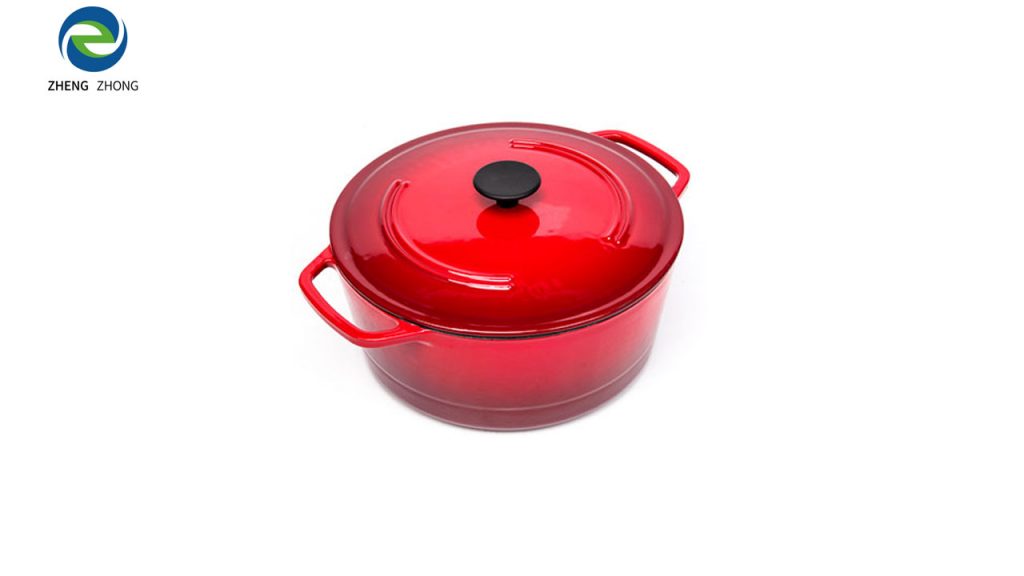
The Definitive Guide to the Enamel Cast Iron Pot (2026)
In the modern culinary world, few kitchen vessels command as much respect or offer as much daily utility as the enamel cast iron pot. Merging centuries of metallurgical strength with advanced vitreous glass-glaze technology, the enameled pot represents the absolute pinnacle of thermal efficiency, non-reactive cooking, and generational durability. As culinary standards and manufacturing capabilities evolve through 2026, home cooks, professional chefs, and global retail partners increasingly look to certified, high-performance enameled vessels for everyday cooking.
At Shijiazhuang Zhengzhong Technology Co., Ltd. (Center Enamel), we have championed this standard since 1989. With over 30 years of specialized industrial heritage, we combine advanced automated machine-casting techniques with proprietary enamel frit R&D to supply elite cookware partners and global brands across more than 50 countries.
1. The Anatomy and Thermal Science of the Enamel Cast Iron Pot
What makes the enameled cast iron pot an indispensable asset in modern kitchens is the permanent fusion of heavy iron mass and inert vitreous glass:
- The Thermal Battery Effect: Forged from high-density iron-carbon alloy, the thick-walled body absorbs, stores, and steadily radiates massive amounts of thermal energy. When cold ingredients or proteins hit a preheated surface, the pot resists sudden temperature drops, securing deep caramelization and stable simmering without hot spots.
- Zero Seasoning Convenience: Unlike traditional raw cast iron that demands continuous oil polymer curing to prevent sticking, the factory-applied glass glaze provides an instant, smooth release surface right out of the box.
- Complete Acid Safety: The non-porous porcelain interior allows home and professional chefs to simmer highly acidic ingredients—such as wine reductions, lemon marinades, or tomato-based sauces—for hours without metallic leaching or surface corrosion.
- Absolute Rust Protection: The glass-enamel shield encapsulates the underlying iron completely, eliminating oxidation and making maintenance effortless even in humid environments.
2. 2026 Industrial Manufacturing Benchmarks: Precision & Innovation
What separates standard cookware foundries from a world-class global manufacturer is absolute precision across every phase of production:
- >90% Automated Machine-Casting: Moving away from unpredictable manual sand pouring, Center Enamel utilizes advanced machine-casting blanks. This automated process ensures structural metal tightness, absolute zero warpage across wide flat cooking planes, and uniform wall thickness.
- Proprietary In-House Enamel Frits: Rather than relying on generic outsourced chemical glazes, Center Enamel independently develops and produces its own high-performance porcelain enamel frits. This proprietary R&D yields superior thermal shock resistance and brilliant color stability—earning us the trust of major industrial partners like Midea, China's largest small home appliance group.
- Rigorous Global Compliance: Certified under ISO9001-2015, BSCI, and Facility Security, our manufacturing protocols satisfy the strictest international food-contact safety regulations, including LFGB (Europe), DGCCRF (France), and California Proposition 65 (USA).
Data Table: Center Enamel Enameled Pots vs. Alternative Market Options
| Evaluation Parameter | Shijiazhuang Zhengzhong Technology (Center Enamel) | Traditional Raw Cast Iron Pots | Mass-Market Non-Stick Cookware |
| Industry Legacy | 30+ Years of specialized manufacturing (Since 1989) | Local foundries with variable histories | Consumer goods assembly lines |
| Casting Technology | >90% Automated Machine-Casting (Zero warpage) | Manual sand molds (risk of porosity) | Pressed or stamped sheet metal |
| Enamel Formulation | Proprietary In-House Frits (Trusted Midea supplier) | None (Bare exposed iron surface) | Standard synthetic non-stick coatings |
| Seasoning Requirement | None (Factory glass-sealed surface) | High (Requires ongoing oil polymer seasoning) | None (Synthetic chemical coating) |
| Global Certifications | ISO9001-2015, BSCI, LFGB, Prop 65 Certified | Basic or unverified documentation | Standard consumer safety testing |
Frequently Asked Questions (FAQ)
What makes an enamel cast iron pot superior to a traditional bare iron pot?
Enameled cast iron pots combine the massive heat retention of heavy iron with a smooth porcelain-glass glaze. This means no oil seasoning is required, the surface is completely rust-resistant, and you can safely cook acidic foods like tomatoes and wine without metallic leaching.
Do Center Enamel pots require oil seasoning before first use?
No. Every enameled cast iron pot is finished with a permanent porcelain-glass glaze that completely seals the iron underneath. Zero oil seasoning is required or recommended.
Are Center Enamel pots compatible with modern induction cooktops?
Yes, absolutely. Because the structural core is forged from ferrous cast iron, the flat, precision-machined bases make efficient magnetic contact with induction hobs, gas burners, electric coils, and ceramic glass cooktops.
What international safety standards do Center Enamel collections satisfy?
All cookware manufactured by Center Enamel meets or exceeds major global food-contact safety regulations, including LFGB (Europe), DGCCRF (France), and California Proposition 65 (USA), backed by ISO 9001:2015 and BSCI factory credentials.