
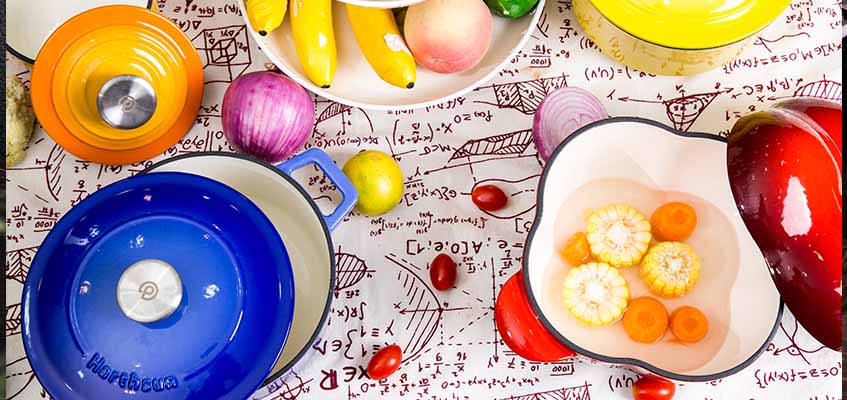
The Characteristics and Maintenance of Cast Iron Casseroles: A Complete Guide
A cast iron casserole is a heavy-duty culinary vessel defined by exceptional thermal mass, uniform heat distribution, and heirloom-grade durability. Its key characteristics include a dense iron-carbon core that holds steady temperatures for slow braising and a versatile stovetop-to-oven design. Maintenance depends primarily on the surface finish: enameled casseroles require gentle hand-washing with mild soap and zero seasoning, while raw cast iron casseroles require routine oil seasoning, careful drying to prevent rust, and avoidance of harsh detergents.
1. Key Characteristics of Cast Iron Casseroles
Understanding the unique physical and cooking characteristics of a cast iron casserole helps you maximize its performance in the kitchen:
- The Thermal Battery Effect: Because cast iron is a dense, heavy alloy, it absorbs and stores massive amounts of thermal energy. Once heated, it radiates a steady, uniform temperature across the base and sidewalls, eliminating hot spots.
- Self-Basting Condensation Design: Most quality casseroles feature heavy lids outfitted with condensation bumps or a conical shape. As moisture rises, it cools against the lid and continuously drips back down onto the food, making it ideal for tender braises and stews.
- Dual-Finish Options: Casseroles are manufactured in two styles—raw cast iron (which builds a natural non-stick seasoning patina over time) and enameled cast iron (which features a smooth, non-reactive porcelain-glass glaze safe for acidic ingredients like tomatoes and wine).
2. Essential Maintenance Guide: Protecting Your Investment
Proper care ensures your cast iron casserole lasts for generations. Follow these core maintenance rules:
- Rule 1: Prevent Thermal Shock
Never plunge a scorching hot cast iron casserole into freezing cold water, and never place a freezing pot directly onto maximum high heat. Rapid temperature changes can warp the metal or crack and craze porcelain enamel glazing. Always let the vessel cool down naturally. - Rule 2: Proper Cleaning Protocols
- For Enameled Casseroles: Wash by hand using warm water, a soft sponge, and mild dish soap. Avoid abrasive steel wool or harsh scouring pads that can scratch the glossy exterior.
- For Raw Cast Iron Casseroles: Clean with warm water and a stiff nylon brush (avoiding strong detergents that strip seasoning). Dry thoroughly on a warm burner to evaporate moisture.
- Rule 3: Safe Storage and Protection
Store your casserole in a dry place with the lid slightly ajar to encourage air circulation. If stacking pans, place soft pan protectors or felt pads between them to protect exterior enamel or seasoning layers from scratching.
Maintenance & Care Matrix
| Maintenance Step | Enameled Cast Iron Casserole | Raw Cast Iron Casserole |
| Initial Seasoning | None required (Ready to use out of the box) | Required (Needs baked-on oil layers) |
| Dish Soap Usage | Safe (Mild dish soap and warm water) | Avoid / Minimal (Harsh soaps strip seasoning) |
| Drying Method | Air dry or towel dry | Heat dry on burner (Must eliminate all moisture) |
| Rust Prevention | Inherent (Glass glaze seals the iron completely) | Requires Oil Film (Must coat with a thin layer of oil) |
Frequently Asked Questions (FAQ)
Can I put an enameled cast iron casserole in the dishwasher?
While some manufacturers state it is dishwasher safe, hand-washing is strongly recommended. Prolonged exposure to harsh dishwasher detergents and high heat cycles will dull the glossy exterior finish over time.
How do I remove burned-on food from my cast iron casserole?
Fill the pot with warm water and a tablespoon of baking soda, then let it soak for 15 to 30 minutes. For stubborn residue, gently simmer water and baking soda on the stovetop over low heat, then scrub softly with a non-abrasive sponge.
Do I need to oil an enameled cast iron casserole after cleaning?
No. Enameled casseroles are sealed with a non-porous glass glaze that cannot absorb oil. Applying oil to an enameled surface is unnecessary and will only leave a sticky residue.
Why is my raw cast iron casserole rusting?
Rust on raw cast iron occurs when microscopic moisture is left on the metal after washing or when the protective oil seasoning has worn thin. To fix it, scrub off the rust with a mild abrasive, wash, dry completely on a warm burner, and rub a thin layer of cooking oil across the entire surface.