
The Art of the Tagine: Choosing the Best Pots for Succulent Slow-Cooked Stews
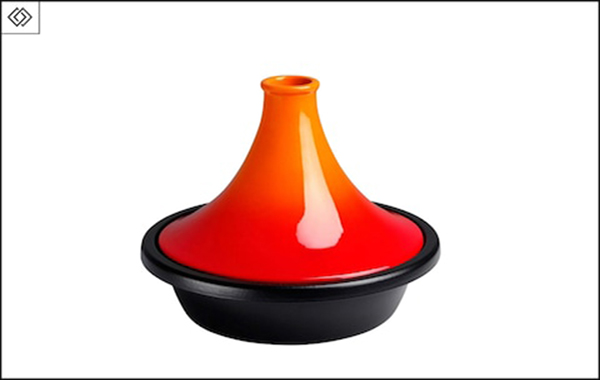
The best tagine pots for modern succulent stews are enameled cast iron tagines. While traditional clay tagines are historically significant, enameled cast iron offers superior thermal mass, induction stove compatibility, and long-term durability. Unlike fragile clay, cast iron tagines do not require soaking, resist thermal shock, and provide the intense, even heat radiation necessary to develop complex flavor profiles in slow-cooked dishes while maintaining the essential conical lid design for moisture circulation.
1. Why the Tagine Design Matters
The tagine is not just a pot; it is an engineering feat for slow cooking. Its defining feature is the conical lid.
- The Moisture Cycle: As the stew simmers, steam rises into the conical lid, cools, condenses, and trickles back down the sides into the base. This self-basting cycle keeps meats incredibly tender and creates a rich, concentrated sauce without the need for constant stirring or adding extra water.
2. Clay vs. Enameled Cast Iron: The Modern Choice
Choosing the right material is the biggest factor in your cooking success.
Traditional Clay Tagines
- Pros: Authentic aesthetic; porous material absorbs flavors over many years.
- Cons: Very fragile; prone to cracking under high heat; often incompatible with modern induction or electric stovetops; requires soaking before every use to prevent breakage.
Enameled Cast Iron Tagines
- Pros: Indestructible durability (does not crack); exceptional heat retention; 100% compatible with gas, electric, and induction cooktops; non-reactive enamel surface makes cleanup effortless; no soaking required.
- Cons: Heavier to lift; carries a higher upfront cost due to manufacturing complexity.
3. How to Choose the Best Tagine for Your Kitchen
When shopping for a tagine, prioritize these three features to ensure culinary success:
- Base Density & Flatness: Ensure the base is heavy and perfectly flat to ensure full contact with your burner, maximizing heat transfer. High-density machine-cast iron is superior for preventing warping.
- Lid Seal Efficiency: The conical lid must sit securely on the base. A precise fit ensures the essential steam-cycling process functions correctly.
- Enamel Quality: If choosing an enameled version, look for high-quality porcelain glaze fired at kiln temperatures (740°C–790°C). This ensures the pot is rustproof, acid-safe for tomato-based stews, and non-stick without seasoning.
Tagine Material Comparison
| Feature | Enameled Cast Iron Tagine | Traditional Clay Tagine | Stainless Steel Tagine |
| Heat Retention | Exceptional | Moderate | Low |
| Durability | Heirloom Quality | Fragile / Cracks Easily | High |
| Cooking Versatility | All Stovetops + Oven | Restricted (Requires Diffuser) | Limited Heat Control |
| Maintenance | Low (Soap & Water) | High (Requires Soaking/Hand Wash) | Low |
| Acid Safety | Yes (Inert Glaze) | No (Porous) | Yes |
Frequently Asked Questions (FAQ)
Is a tagine pot worth it if I already have a Dutch oven?
Yes. While a Dutch oven provides excellent stewing capabilities, the specific conical shape of a tagine lid is engineered specifically for steam condensation and circulation. This concentrates flavors differently and is ideal for specific Moroccan-style recipes where moisture management is critical.
Do I need to soak my cast iron tagine?
No. Unlike traditional clay tagines which require soaking in water before use to prevent cracking, enameled cast iron tagines are non-porous. They are ready to cook on immediately without any preparation.
Can I use a tagine on an induction cooktop?
If you choose an enameled cast iron tagine, yes. Because they feature an iron-carbon core, they are magnetic and compatible with all induction cooktops. Traditional clay tagines generally cannot be used on induction unless they have a specialized metal base plate.
Why does the lid of the tagine have a hole or a handle at the top?
The conical lid design is functional; it is cooler at the top, allowing steam to condense. The handle or "knob" at the top is designed to remain cooler than the base, allowing you to lift the lid to check on the stew during the cooking process.