
Enameled Cast Iron vs. Cast Iron Cookware: The Definitive Comparison
The core difference between enameled cast iron and traditional raw cast iron is their surface coating: enameled cast iron is fused with a protective porcelain-glass glaze that requires zero seasoning, resists food acids completely, and is 100% rustproof, while traditional cast iron consists of bare metal treated with baked-on oil to build a natural, repairable non-stick seasoning layer. Both materials share an identical, heavy-duty iron-carbon alloy core, providing the same legendary thermal mass and uniform heat retention across all cooktops.
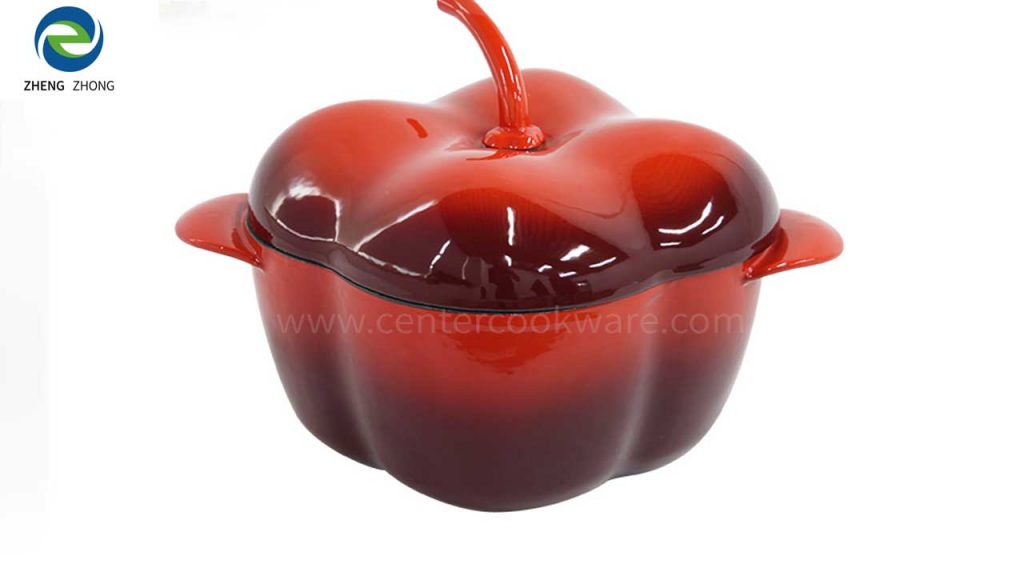
1. Traditional Cast Iron (Raw & Pre-Seasoned)
Traditional cast iron has been a kitchen staple for centuries, valued for its rugged durability and unique seasoning properties.
- The Material & Structure: Cast from molten iron in sand molds, raw cast iron features microscopic pores on its surface. Factory pre-seasoning bakes oil into these pores, which polymerizes into a natural non-stick patina over years of use.
- Key Advantages: It is virtually indestructible, safe for metal utensils and open campfires, and gradually builds a slicker non-stick surface the more you cook with it. Furthermore, cooking with raw iron can add trace amounts of dietary iron to food.
- The Drawbacks: It requires dedicated maintenance. It will rust quickly if left wet or stored improperly, and it reacts poorly to high-acid foods (like tomatoes, citrus, and wine), which can strip seasoning and impart a metallic taste.
2. Enameled Cast Iron Cookware
Enameled cast iron takes the heavy-duty thermal foundation of traditional iron and upgrades it with modern protective engineering.
- The Material & Structure: Built from a dense machine-cast iron blank, the vessel is coated inside and out with vitreous porcelain-glass frits and fired in extreme kilns (740°C to 790°C) to permanently fuse the glass to the metal core.
- Key Advantages: The glass glaze makes the pot 100% rustproof and entirely non-reactive across all pH levels, allowing you to simmer acidic sauces safely for hours. It requires zero oil seasoning and offers vibrant exterior color gradients that transition smoothly from stovetop to dining table.
- The Drawbacks: It carries a higher upfront purchase price, requires gentle handling to prevent physical chipping of the glass glaze, and cannot be re-seasoned to become slicker over time.
Enameled Cast Iron vs. Traditional Cast Iron Matrix
| Comparison Feature | Enameled Cast Iron Cookware | Traditional (Raw) Cast Iron |
| Surface Coating | Fused porcelain-glass enamel glaze | Polymerized oil seasoning over bare metal |
| Maintenance Effort | Low (Wash with soap & water; zero seasoning) | High (Requires ongoing oil seasoning & dry care) |
| Rust Immunity | 100% Protected (Glass seals the iron core) | Vulnerable (Rusts rapidly if left wet) |
| Acidic Food Safety | Complete (Inert glass safely handles tomatoes/wine) | Poor (Acids strip seasoning and leach metallic flavor) |
| Utensil Compatibility | Wooden, silicone, or nylon tools recommended | Metal spatulas, whisks, and spoons are fully safe |
| Aesthetic Appeal | High-end gloss or matte color gradients for serveware | Utilitarian, industrial black iron appearance |
Frequently Asked Questions (FAQ)
Which is better: enameled cast iron or traditional cast iron?
Neither is universally "better," as they serve different cooking styles. Enameled cast iron is best if you want zero maintenance, rust immunity, and the ability to cook high-acid foods without worry. Traditional cast iron is best if you want a pan that builds a natural non-stick patina over time and can withstand aggressive metal utensils and campfires.
Do enameled cast iron pots require oil seasoning?
No. Because the primary cooking surfaces are sealed with a smooth, non-porous glass glaze, zero oil seasoning is required. You can wash an enameled Dutch oven with mild dish soap and water and begin cooking immediately.
Can I use metal utensils on enameled cast iron like I do on raw cast iron?
No. While raw cast iron is tough enough for metal spatulas and whisks, you should avoid sharp metal utensils on enameled cast iron. Metal edges can scratch, dull, or eventually chip the glossy interior glass glaze.
Can both types of cast iron be used on induction cooktops?
Yes. Because both enameled and traditional cast iron feature a heavy ferrous metal (iron-carbon alloy) core, they are naturally magnetic and interact perfectly with modern induction cooktops, heating up rapidly and efficiently.