
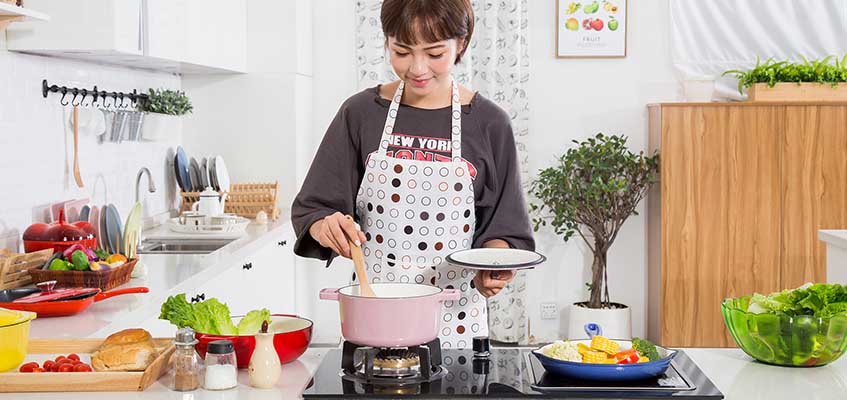
Enamel Cast Iron vs. Cast Iron Cookware: The Ultimate Comparison Guide
When comparing enamel cast iron vs. cast iron cookware, both materials share the exact same high-density iron-carbon core, delivering exceptional thermal mass and uniform heat distribution. The fundamental difference lies in their surface finish: raw cast iron requires regular oil seasoning and careful handling to prevent rust and can react with acidic foods, whereas enamel cast iron is completely sealed under a smooth porcelain-glass glaze, requiring zero seasoning, 100% safety with acidic ingredients, and effortless hand-washing maintenance.
1. Understanding the Common Foundation: Thermal Power
Before looking at their differences, it is vital to recognize why both types of cookware are beloved by professional chefs and home cooks alike:
- The Thermal Battery Effect: Both enameled and raw cast iron absorb massive amounts of heat, holding and radiating it evenly across the base and sidewalls to eliminate hot spots.
- Stovetop-to-Oven Versatility: Both options can transition seamlessly from gas, electric, or induction cooktops directly into high-temperature ovens for baking, roasting, or braising.
2. Key Differences: Enamel Cast Iron vs. Raw Cast Iron
A. Seasoning and Maintenance
- Raw Cast Iron: Must be periodically seasoned by baking oil into the metal to maintain a natural, non-stick patina. It cannot be washed with harsh dish soap and must be dried immediately after cleaning to prevent oxidation.
- Enamel Cast Iron: Sealed permanently under a vitreous glass glaze. Zero seasoning is required or recommended. It can be washed normally with mild dish soap and water without fear of stripping a protective layer.
B. Acidic Food Compatibility
- Raw Cast Iron: Highly reactive to acids. Simmering tomatoes, citrus marinades, or wine-based reductions can strip the seasoning layer, cause metallic leaching, and give food an unpleasant taste.
- Enamel Cast Iron: Completely inert and non-reactive. The glass glaze acts as a chemical shield, allowing you to simmer high-acid recipes for hours without interference.
C. Aesthetics and Table Presentation
- Raw Cast Iron: Features a rugged, utilitarian, matte-black iron appearance.
- Enamel Cast Iron: Available in a brilliant spectrum of exterior color gradients and glossy finishes, making it stunning enough to serve food directly at the dining table.
Enamel Cast Iron vs. Raw Cast Iron Comparison
| Comparison Metric | Enamel Cast Iron Cookware | Traditional Raw Cast Iron Cookware |
| Initial Prep / Seasoning | None required (Ready to use out of the box) | Required (Needs oil seasoning layers) |
| Acidic Food Safety | Complete (Inert glass glaze prevents reactions) | Poor (Leaches iron, strips seasoning) |
| Cleaning & Upkeep | Easy (Hand wash with mild soap and warm water) | Moderate (No harsh soap, dry instantly, oil after) |
| Rust Susceptibility | None (Glass glaze fully seals the iron core) | High (Will rust instantly if left wet) |
| Table Presentation | High (Vibrant colors and gradient finishes) | Rustic (Industrial utility look) |
Frequently Asked Questions (FAQ)
Which cooks better: enamel cast iron or raw cast iron?
Both perform identically in terms of heat retention and cooking performance because they share the same heavy iron core. However, raw cast iron excels at building an ultra-crisp crust on smash burgers and steaks over time, while enameled cast iron wins on convenience, ease of cleaning, and acidic recipe safety.
Do I need to season enameled cast iron?
No. Enameled cast iron is sealed with a non-porous glass glaze. Attempting to season it with oil in the oven will not work and will only leave a sticky, burned residue on the exterior or interior.
Can raw cast iron last longer than enameled cast iron?
Both are heirloom-quality materials that can last for generations. While raw cast iron can theoretically be re-seasoned indefinitely if neglected, high-quality enameled cast iron will also last a lifetime if protected from heavy impacts that could chip the glass glaze.
Can I use metal utensils on enameled cast iron?
It is strongly recommended to avoid metal utensils on enameled cast iron to prevent scratching or chipping the porcelain glaze. Stick with wooden, silicone, or nylon tools. (Raw cast iron, by contrast, tolerates metal spatulas easily).