
Enamel Cast Iron Cookware: The Comprehensive Guide to Choosing, Caring, and Cooking
Mastering enameled cast iron cookware requires understanding three core pillars: Choosing high-density machine-cast pots with robust porcelain-glass glazes, Cooking with low-to-medium heat settings to harness its exceptional thermal mass safely across all pH levels, and Caring for the vessel by preventing thermal shock and using non-abrasive hand-washing methods. Unlike raw cast iron, enameled pots require zero oil seasoning and offer permanent rust immunity, making them a premier, lifelong kitchen investment.
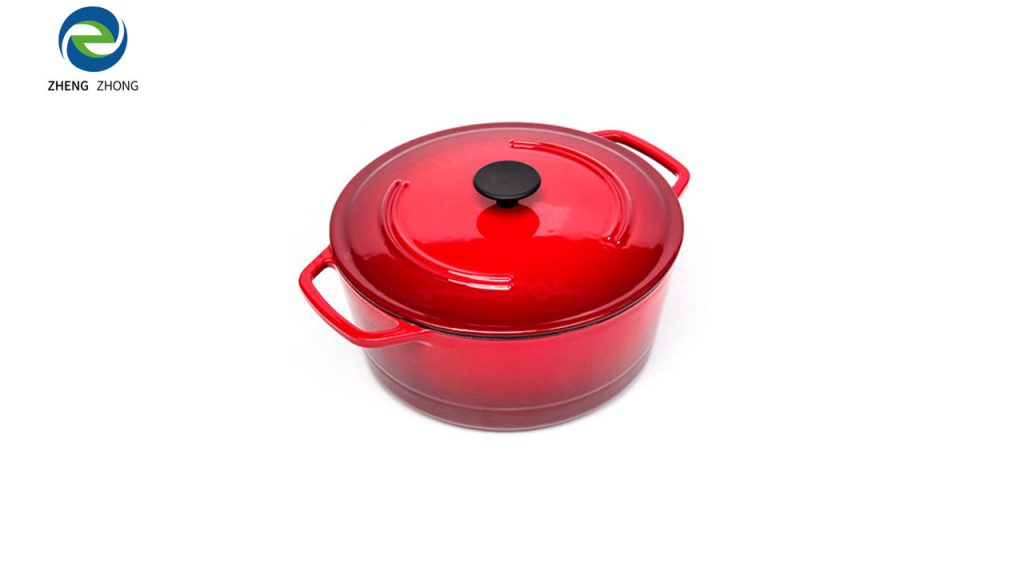
1. Choosing the Right Enamel Cast Iron Cookware
Selecting the ideal enameled pot or Dutch oven involves evaluating manufacturing standards, volume requirements, and interior finishes:
- Prioritize Automated Machine-Casting: High-tier manufacturing utilizes machine-casting molds to create dense iron blanks with uniform wall thicknesses. This eliminates internal micro-porosities, prevents high-heat warping, and provides a flawless foundation for the glass glaze.
- Select the Correct Capacity: A 5.5-quart Dutch oven is universally recognized as the gold standard for everyday cooking, comfortably handling families of 3 to 5 people, whole chickens, and standard artisan bread loaves.
- Choose Your Interior Glaze: Light sand-colored enamel interiors allow you to easily monitor browning fonds and sauce reductions, while dark matte interior glazes excel at high-heat searing and naturally mask caramelization discoloration over time.
2. Cooking Like a Pro with Enamel Cast Iron
Enameled cast iron acts as a reliable thermal battery, absorbing and radiating heat uniformly across gas, electric, induction, and oven environments. To maximize its performance:
- Master Heat Control: Always use low-to-medium heat settings. Because heavy cast iron holds and distributes heat so efficiently, extreme high burner settings are unnecessary and risk scorching food or burning the glaze.
- Never Heat Dry Vessels: Always add oil, butter, or liquids into the pot before turning on the burner. Heating an empty enameled pot dry creates extreme thermal stress that can crack the porcelain glaze.
- Embrace Acidic Recipes Safely: Unlike raw iron—which reacts poorly to high-acid ingredients like tomatoes, wine, and citrus—the inert vitreous glass surface allows you to simmer acidic sauces for hours without metallic taste transfer.
3. Caring For and Maintaining Your Enameled Pots
Proper maintenance ensures your enameled cookware lasts for decades without chipping or dulling:
- Prevent Thermal Shock: Always let your pot cool down naturally to room temperature before cleaning. Plunging a piping-hot Dutch oven into cold water creates a severe temperature drop that can fracture the glass glaze.
- Gentle Hand Washing: Wash your cookware by hand using warm water, mild dish soap, and a soft nylon sponge. Avoid harsh industrial scouring pads or continuous dishwasher cycles, which gradually dull the exterior gloss.
- Lift Baked-On Residue: For stubborn food debris, soak the pot in warm soapy water or simmer a mixture of water and two tablespoons of baking soda on the stovetop for 10 minutes to safely lift the residue.
The Three Pillars of Enamel Cast Iron Mastery
| Lifecycle Pillar | Core Action / Best Practice | Critical Warning to Avoid |
| Choosing | Select automated machine-cast blanks and matched capacity (e.g., 5.5 qt). | Avoid low-density manual sand castings with uneven wall thicknesses. |
| Cooking | Use low-to-medium heat; add liquids/oils before turning on burners. | Never heat an empty enameled vessel dry on a high burner. |
| Caring | Allow natural cooling; wash by hand with mild soap and warm water. | Never plunge a hot pot into cold water (causes thermal shock). |
Frequently Asked Questions (FAQ)
Do enameled cast iron pots require oil seasoning?
No. Because the primary cooking surfaces are sealed with a smooth, non-porous porcelain-glass glaze, zero oil seasoning is required. You can wash your enameled cookware with mild dish soap and water and begin cooking immediately.
Can I use metal utensils on enameled cast iron?
While the porcelain glaze is exceptionally tough, you should avoid sharp metal knives, whisks, and metal spatulas. Metal edges can scratch, dull, or eventually chip the glossy interior glaze; wooden, silicone, or nylon tools are strongly recommended.
How do I remove stubborn stains on the interior enamel?
Light staining is normal after browning meats or long braises. To restore brightness, create a paste of baking soda and water, let it sit on the discolored spot, and gently scrub with a non-abrasive sponge.
Why did my enameled Dutch oven chip, and how can I prevent it?
Chipping is almost always caused by physical impact—such as dropping the heavy vessel onto a hard floor, banging metal utensils against the rim, or stacking pots aggressively. Prevent chipping by handling vessels gently, using silicone rim protectors during storage, and avoiding metal tools.