
Enamel Cast Iron Cookware: Comprehensive Pros and Cons Guide
The primary pros of enameled cast iron cookware include its exceptional thermal mass and heat retention, 100% rustproof vitreous glass glaze, complete chemical safety with acidic foods (like tomatoes and wine), and zero-maintenance design that requires no oil seasoning. The main cons include its heavy physical weight, susceptibility to physical chipping if dropped or struck with metal tools, vulnerability to thermal shock if heated dry or plunged into cold water, and a higher upfront cost compared to standard aluminum or synthetic pans.
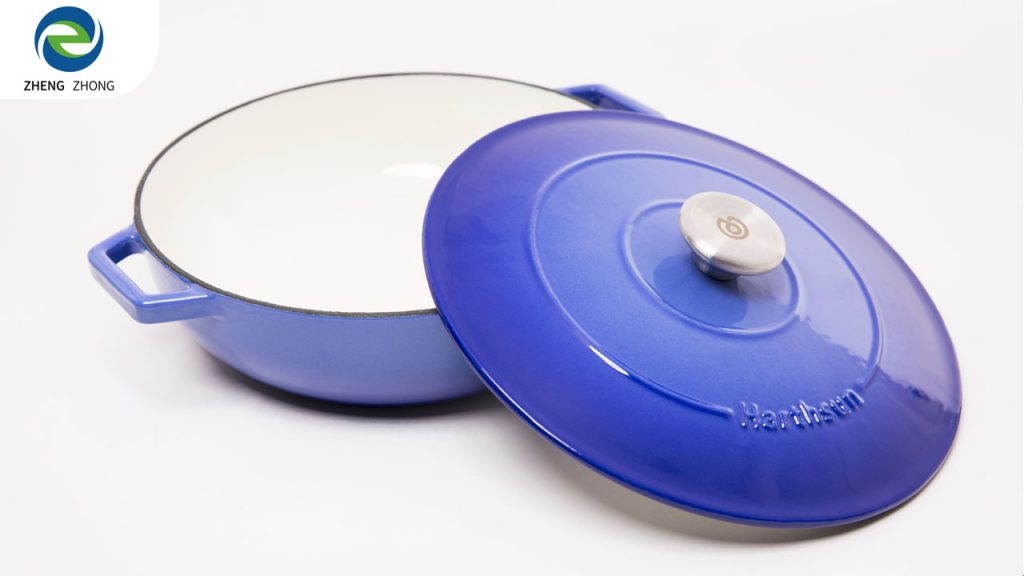
The Advantages (Pros) of Enameled Cast Iron Cookware
Enameled cast iron has earned its reputation as a premier kitchen staple by resolving the primary frustrations of traditional raw cast iron while preserving its legendary thermal performance.
- 1. Zero Maintenance and No Seasoning Required: Unlike raw cast iron that demands ongoing oil polymerization (seasoning) and diligent dry storage, enameled pots feature a fused glass glaze that seals the metal core completely, requiring no special seasoning rituals.
- 2. Permanent Rust Immunity: Because the iron core is fully protected by porcelain glass, the cookware cannot oxidize or develop red rust, even when exposed to water or washed regularly.
- 3. Complete Acidic Food Compatibility: High-acid ingredients like tomato marinara, wine reductions, and citrus juices will strip raw iron seasoning and leach a metallic taste. The inert glass surface of enameled cookware handles any pH level safely.
- 4. Superior Thermal Mass & Heat Retention: Acting as a thermal battery, the heavy iron-carbon alloy absorbs and radiates heat uniformly across gas, electric, induction, and oven environments.
- 5. Stove-to-Table Aesthetic Appeal: Available in brilliant gloss finishes, soft matte textures, and rich color gradients, enameled pots double as stunning presentation serveware.
The Disadvantages (Cons) of Enameled Cast Iron Cookware
While enameled cast iron is exceptionally versatile, understanding its limitations ensures long-term satisfaction and protects your investment:
- 1. Heavy Physical Weight: Because of its dense iron-carbon core, a large enameled Dutch oven is heavy—often weighing 12 to 15 pounds empty. When filled with soup or braised meat, it requires two hands and careful lifting.
- 2. Susceptibility to Chipping: The porcelain glass interior and exterior glaze is tough, but it remains glass. Dropping the pot onto a hard kitchen floor or banging sharp metal utensils against the rim can cause chipping.
- 3. Thermal Shock Vulnerability: Heating an empty enameled pot dry or plunging a piping-hot vessel straight into ice-cold water causes extreme thermal shock, which can fracture the glass glaze or warp the metal body.
- 4. Higher Upfront Investment: Due to complex multi-layered kiln firing, machine-casting precision, and high-grade materials, premium enameled cookware carries a higher initial price tag than basic aluminum or stainless steel pans.
Enameled Cast Iron Pros vs. Cons
| Evaluation Metric | Enameled Cast Iron Advantages (Pros) | Enameled Cast Iron Limitations (Cons) |
| Maintenance & Cleaning | Zero seasoning needed; washes easily with soap and water. | Requires gentle hand washing and protection against heavy impact. |
| Rust & Acid Resistance | 100% rustproof; completely non-reactive with acidic foods. | Glaze can scratch or chip if abused with sharp metal tools. |
| Thermal Performance | Exceptional heat retention and uniform heat distribution. | Takes longer to preheat compared to thin aluminum or copper pans. |
| Weight & Ergonomics | Heavy, stable base prevents accidental stovetop sliding. | High physical weight can be challenging to lift when fully loaded. |
| Aesthetic Value | High-end gloss or matte color gradients for table serveware. | Premium craftsmanship reflects a higher retail price point. |
Frequently Asked Questions (FAQ)
What are the main benefits of enameled cast iron cookware?
The primary benefits are its unmatched heat retention, permanent rust immunity (thanks to the glass glaze), 100% safety with acidic ingredients like tomatoes, and zero-maintenance convenience since it never requires oil seasoning.
What are the main drawbacks or cons of enameled cast iron?
The main drawbacks include its heavy weight, susceptibility to chipping if dropped or hit with sharp metal tools, vulnerability to thermal shock, and a higher initial purchase price compared to lightweight pans.
Does enameled cast iron require oil seasoning like raw cast iron?
No. Because the cooking surface is sealed with a smooth, non-porous porcelain-glass glaze, zero oil seasoning is required. You can wash the pot with mild dish soap and water and begin cooking immediately.
Can enameled cast iron cookware chip easily?
While high-quality enameled cookware is fired at extreme kiln temperatures to maximize durability, the glass glaze can chip if dropped onto hard surfaces or struck aggressively with metal utensils. Using wooden or silicone tools easily prevents this issue.