
Enamel Cast Iron Cookware Care & Use,A Guide to Long-Lasting Culinary Delights
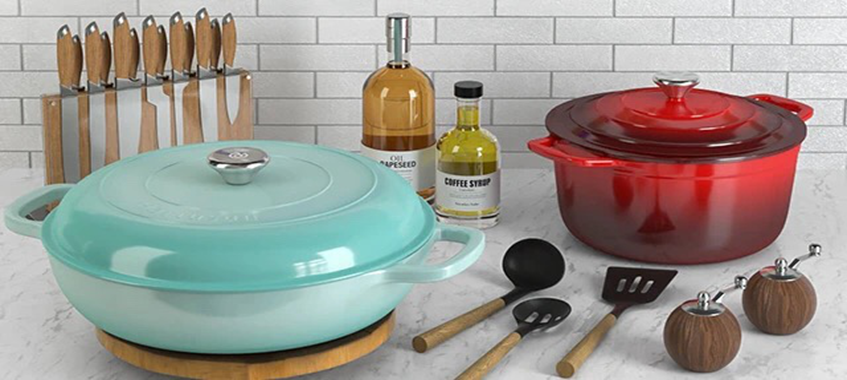
Enamel Cast Iron Cookware Care & Use: A Guide to Long-Lasting Culinary Delights
Proper care and use of enamel cast iron cookware combine the exceptional heat retention of heavy iron with the protective, non-reactive benefits of a glass-porcelain glaze. To maximize longevity, always cook on low to medium heat, add liquids or oils before preheating, avoid sudden thermal shocks by letting pans cool naturally, and hand wash with warm soapy water and a non-abrasive sponge. Unlike raw cast iron, enameled pieces do not require seasoning across their glazed surfaces, making maintenance straightforward when following correct handling protocols.
1. Best Practices for Cooking with Enameled Cast Iron
While enameled cast iron is exceptionally durable, observing specific cooking habits protects the vitreous glass glaze from chipping, cracking, or scorching:
- Moderate Heat Control: Because cast iron acts as an incredible thermal battery, extreme high heat is unnecessary. Always utilize low to medium settings on stovetops to distribute heat evenly and prevent food from burning onto the glaze.
- Never Heat an Empty Pan: Always add cooking oil, butter, or liquid into the pot or pan before turning on the burner. Dry heating can cause severe thermal shock, scorching the enamel and compromising the bond between the glass and the iron.
- Choose Suitable Utensils: Protect the smooth interior finish by avoiding sharp metal utensils. Opt for wood, silicone, or heat-resistant nylon tools to stir ingredients and serve food safely.
- Avoid Dragging on Cooktops: Always lift your enameled Dutch ovens or skillets when moving them across glass or ceramic cooktops to prevent scratching your stove surface.
2. Cleaning, Maintenance, and Stain Removal
Routine cleaning keeps your enameled cookware performing brilliantly for decades. Follow these structured steps after every meal:
- Cool Completely: Allow the vessel to return to room temperature naturally. Plunging a hot pot into cold water causes destructive thermal shock, which can instantly crack the enamel.
- Hand Wash with Care: While some brands claim dishwasher safety, continuous high-pressure wash cycles and harsh chemical detergents will dull the exterior gloss over time. Wash by hand using warm water, mild dish soap, and a soft nylon sponge.
- Handle Stubborn Residue: For burnt-on food, fill the pot with warm soapy water and let it soak for 15 to 20 minutes. For tougher polymerized oils, simmer a mixture of water and a couple of tablespoons of baking soda on the stovetop for 8–10 minutes to safely lift the debris.
- Protect the Exposed Rim: Most enameled pieces feature a thin, unglazed cast iron rim on the pot and lid edge. To prevent surface rust, dry this rim thoroughly after washing and periodically rub a light coat of neutral high smoke-point oil onto the exposed metal.
Data Table: Quick Reference Guide for Enamel Cast Iron Care
| Care Parameter | Recommended Practice | Practice to Avoid |
| Stovetop Heat Setting | Low to Medium heat | High heat settings that risk scorching the enamel |
| Preheating Method | Add oil or liquid before turning on the burner | Heating an empty vessel dry |
| Cleaning Tools | Warm water, mild soap, soft sponges, nylon brushes | Metal scouring pads, steel wool, harsh abrasives |
| Kitchen Utensils | Wooden, silicone, or nylon spatulas and spoons | Sharp metal knives or metal spoons |
| Temperature Transition | Allow natural cooling before washing | Plunging a hot pot into ice-cold water (thermal shock) |
Frequently Asked Questions (FAQ)
Does enameled cast iron cookware need to be seasoned?
No. Unlike traditional raw cast iron, enameled cast iron is sealed entirely with a baked-on glass glaze across its main cooking surfaces. It requires zero routine oil seasoning. The only exception is the small, unglazed rim along the lid and pot edge, which benefits from occasional light oiling to prevent moisture oxidation.
How do I remove stubborn staining on the interior light enamel?
Light staining and discoloration are completely normal cosmetic signs of regular use, especially after browning meats or long simmers. To restore the brightness, create a paste of baking soda and water, let it sit on the stain, and gently scrub with a non-abrasive sponge. Alternatively, specialized ceramic cleaner or a mild bleach solution can lift persistent discoloration.
Can I put my enameled cast iron pot in the dishwasher?
While many manufacturers state that their enameled cookware is technically dishwasher safe, hand washing is strongly recommended. Continuous exposure to aggressive dishwasher detergents and high-pressure water streams will gradually dull the glossy exterior finish and cause premature wear.
Why did my enamel chip, and how can I prevent it?
Chipping is almost always caused by physical impact—such as dropping the heavy vessel onto a hard floor, banging metal utensils against the rim, or stacking pots aggressively without protective layers. Always handle your cookware gently, use silicone or wood tools, and place soft pan protectors or cloth pads between stacked pots during storage.