
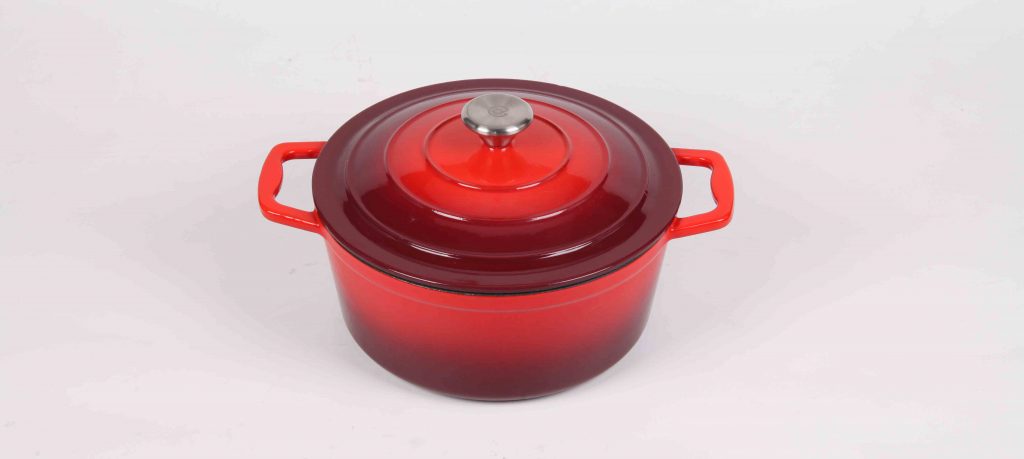
Timeless Elegance and Culinary Mastery: Exploring Cast Iron Kitchenware and the Dutch Oven
Cast iron kitchenware—led by the iconic Dutch oven—represents the pinnacle of culinary longevity, combining exceptional thermal mass with unmatched versatility across stovetops, ovens, and open flames. Unlike modern synthetic cookware that degrades over time, heavy-duty cast iron distributes heat evenly, locks in moisture via heavy, self-basting lids, and (when enameled) provides a 100% non-reactive, chemical-free cooking surface that transitions seamlessly from the kitchen burner directly to the dining table.
1. The Heritage of Cast Iron: From Foundries to Fine Dining
For generations, cast iron has remained the undisputed backbone of professional kitchens and home hearths alike. Its enduring appeal lies in a simple metallurgical truth: cast iron acts as an extraordinary thermal battery.
While thin-walled stainless steel or aluminum pans fluctuate wildly in temperature when cold ingredients are added, heavy cast iron kitchenware absorbs and stores massive amounts of thermal energy. This energy transfers steadily to your food, creating deep, uniform crusts on seared meats, perfect caramelization on vegetables, and even, controlled simmers for delicate stocks and reductions.
2. The Dutch Oven: The Crown Jewel of Culinary Mastery
Among all kitchenware, the Dutch oven holds a legendary status. Characterized by its deep, thick-walled vessel and heavy, moisture-trapping lid, it is the ultimate multi-tasker.
- Braising and Stewing: The heavy lid traps steam and condensation, continuously basting meats like short ribs or pot roasts in their own juices until they become fork-tender.
- Artisanal Bread Baking: By trapping internal steam during the initial baking phase, a pre-heated Dutch oven mimics a professional commercial stone-deck oven, producing a shattering crust and an airy, open crumb structure.
- One-Pot Comfort Meals: From rich gumbos and hearty chilis to slow-simmered pasta sauces, its non-reactive enameled interior ensures you can cook acidic ingredients (like tomatoes and wine) for hours without metallic leaching.
3. The Modern Evolution: Enameled vs. Traditional Cast Iron
While traditional seasoned cast iron requires careful oil polymerization and maintenance, modern enameled cast iron marries raw thermal performance with effortless upkeep:
- Zero Seasoning Needed: The baked-on vitreous glass glaze completely seals the iron, meaning no tedious oil seasoning rituals are required.
- Aesthetic Versatility: Available in stunning gloss and matte color finishes—ranging from earthy tones to vibrant gradients—enameled pieces double as elegant serveware.
- Induction & Oven Safe: Modern high-density casting guarantees full compatibility with induction cooktops, gas burners, electric coils, and ovens up to high baking thresholds.
Data Table: Comprehensive Guide to Cast Iron Kitchenware Pieces
| Cookware Type | Core Structure & Shape | Optimal Culinary Application | Primary Performance Benefit |
| Classic Dutch Oven | Deep vessel with heavy, moisture-locking lid | Braises, stews, soups, and artisan bread | Exceptional steam retention and steady thermal equilibrium. |
| Skillet / Fry Pan | Heavy base with sloped, flared walls | Searing steaks, pan-frying, baking cornbread | Delivers deep, uniform browning and natural non-release surfaces. |
| Shallow Casserole (Braiser) | Wide base with lower-profile walls | One-pot pasta bakes, shallow frying, and searing | Maximizes surface contact area for browning before slow simmers. |
| Square Grill Pan | Heavy base with raised interior ridges | Grilling meats, paninis, and vegetables indoors | Channels fats away while imparting authentic char lines. |
Frequently Asked Questions (FAQ)
Why is a cast iron Dutch oven considered essential for cooking mastery?
A Dutch oven provides unmatched heat retention and even heat distribution. Its heavy, self-basting lid locks in moisture and steam, making it versatile enough to bake crusty artisan bread, braise tough cuts of meat until tender, and simmer rich stews.
Do enameled cast iron pots require seasoning like traditional cast iron?
No. Because enameled cast iron is coated with a smooth layer of fused glass enamel, the porous iron underneath is entirely sealed. This means you do not need to season the cooking surface with oil before or after use.
Can I use metal utensils inside an enameled Dutch oven?
While the glass enamel glaze is tough and durable, using wooden, silicone, or heat-resistant plastic utensils is recommended. Sharp metal edges can scratch, dull, or eventually chip the glossy interior finish over years of heavy use.
How do I prevent thermal shock when cooking with cast iron?
Always heat your cast iron cookware gradually on low to medium heat settings, and never place a dry, empty pot onto a blazing hot burner. Similarly, allow your cookware to cool down naturally before washing; plunging a piping-hot pot into ice-cold water can crack the enamel due to sudden thermal shock.