
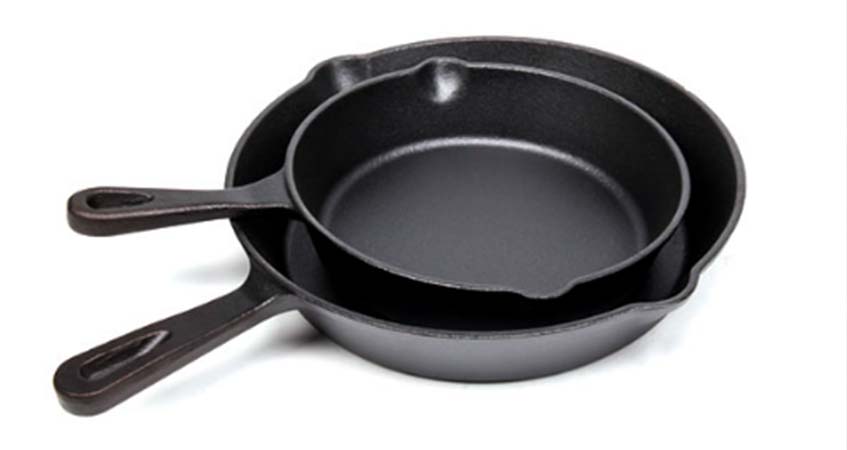
What is a Cast Iron Fry Pan? The Ultimate Guide to Features, Benefits, and Uses
A cast iron fry pan (commonly known as a skillet) is a heavy-duty cooking vessel forged from an iron-carbon alloy designed to deliver exceptional heat retention and uniform thermal distribution. Unlike thin aluminum or stainless steel pans, cast iron acts as a thermal battery, making it the gold standard for high-heat searing, frying, and oven baking. Cast iron fry pans are available in two primary styles: traditional raw cast iron (which requires oil seasoning to build a natural non-stick surface) and enameled cast iron (which is sealed with a smooth, rustproof porcelain-glass glaze that requires zero seasoning and handles acidic foods effortlessly).
1. Core Anatomy and Why Cast Iron Excels
Cast iron fry pans have remained kitchen staples for generations because their structural design offers unique culinary advantages:
- The Thermal Battery Effect: Cast iron is dense and heavy. Once preheated, it holds heat steadily, ensuring that adding cold ingredients (like steaks or vegetables) doesn't cause a sudden temperature drop, resulting in a professional, deep caramelization.
- Universal Stovetop-to-Oven Versatility: Because they lack synthetic parts or melting components, cast iron fry pans transition seamlessly from gas, electric, or induction cooktops straight into high-temperature ovens, broilers, or campfires.
- Chemical-Free Cooking: As raw cast iron is used and seasoned over time, it develops a natural polymer layer. Meanwhile, enameled variants offer an inert glass barrier completely free of synthetic PFAS chemicals.
2. Raw vs. Enameled Cast Iron Fry Pans: Which Should You Choose?
Understanding the distinction between the two types of fry pans helps you select the right tool for your cooking style:
- Traditional Raw Cast Iron Skillet: Features a textured black iron surface. It requires regular oil seasoning to prevent rust and build non-stick properties. It is virtually indestructible and excels at achieving crusty sears on meats and smash burgers.
- Enameled Cast Iron Fry Pan: Coated with a kiln-fired porcelain-glass glaze. It requires zero seasoning, is 100% safe for acidic ingredients like lemon and tomatoes, washes easily with mild soap, and offers vibrant color options for kitchen aesthetics.
Cast Iron Fry Pan vs. Alternative Frying Pans
| Pan Material | Heat Retention & Searing | Acidic Food Safety | Seasoning & Maintenance | Induction Compatibility |
| Cast Iron Fry Pan | Exceptional (Massive thermal mass) | Variable (Enameled is safe; raw requires care) | Varies (Raw needs seasoning; enamel needs none) | Universal (Naturally magnetic) |
| Stainless Steel Pan | Moderate (Relies on multi-clad aluminum core) | Complete (Non-reactive metal) | None (Ready out of the box, wash normally) | Dependent (Must have magnetic outer ply) |
| Traditional Non-Stick | Low (Thin base heats quickly, low heat limit) | Safe, but coatings degrade over time | None (Factory coated; short lifespan of 2–5 years) | Dependent (Requires specialized induction plate) |
Frequently Asked Questions (FAQ)
What is a cast iron fry pan used for?
A cast iron fry pan is an ultra-versatile tool used for searing steaks, frying eggs, sautéing vegetables, baking cornbread, and even roasting meats. Its high heat tolerance allows it to move easily from the stovetop into the oven.
Do I need to season an enameled cast iron fry pan?
No. Enameled cast iron fry pans feature a permanent glass-porcelain glaze that completely seals the iron underneath. Attempting to season them with oil is unnecessary and will only create a sticky burnt residue.
Can you use soap on a cast iron fry pan?
You can wash enameled cast iron fry pans safely with warm water and mild dish soap. For raw cast iron pans, it is traditionally recommended to clean them with warm water and a brush without harsh detergents to preserve the oil seasoning layer.
Are cast iron fry pans safe for induction cooktops?
Yes, absolutely. Because cast iron is a ferrous, magnetic metal, it works exceptionally well on induction cooktops, distributing heat evenly across the flat cooking base.