
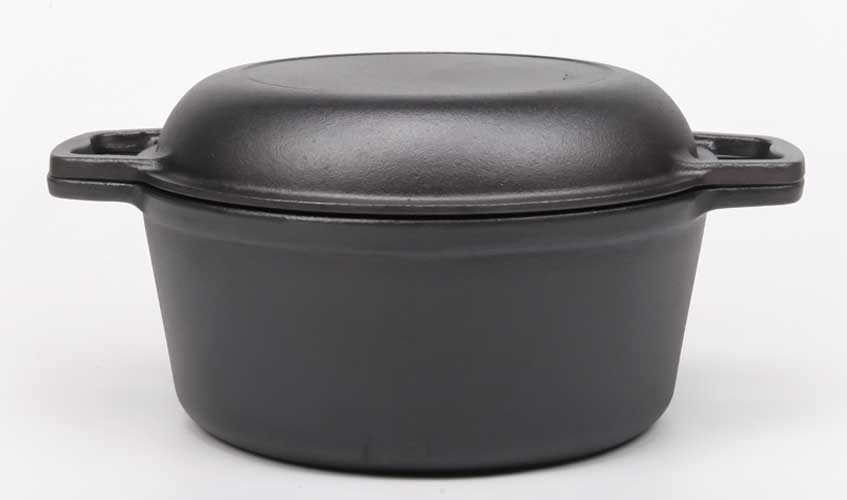
What is Cast Iron Cookware? The Complete Definitive Guide
Cast iron cookware consists of pots and pans manufactured by pouring a molten iron-carbon alloy into sand molds. Renowned for its exceptional thermal mass, it absorbs, holds, and radiates heat with unmatched uniformity. Cast iron cookware is generally divided into two categories: traditional raw cast iron (which requires oil seasoning to build a natural non-stick patina) and enameled cast iron (which is permanently sealed under a smooth, rustproof porcelain-glass glaze).
1. The Core Metallurgy: What Makes Cast Iron Unique?
Cast iron has been a cornerstone of human cooking for centuries due to its unique material properties:
- The Thermal Battery Effect: Cast iron is a dense, heavy metal alloy. Once heated, it acts as a thermal battery, retaining heat far longer than thin stainless steel or aluminum cookware. This ensures stable, even cooking temperatures across the entire base and sidewalls.
- Stovetop-to-Oven Versatility: Because it contains no synthetic components or delicate plastic handles, cast iron can transition effortlessly from gas, electric, or induction cooktops directly into high-temperature ovens, broilers, or even campfires.
- Heirloom Durability: Cast iron is virtually indestructible under normal kitchen conditions, capable of lasting for generations and outliving standard non-stick pans many times over.
2. The Two Primary Categories of Cast Iron Cookware
When exploring cast iron, buyers typically choose between two distinct finishes:
- Traditional Raw Cast Iron: Features a rugged, textured dark iron surface. It requires regular oil seasoning (baking oil into the metal) to prevent rust and develop a natural non-stick release surface. It is ideal for high-heat searing, frying, and baking cornbread.
- Enameled Cast Iron: Features a heavy iron core permanently sealed beneath a smooth, vitreous porcelain-glass glaze. It requires zero oil seasoning, is 100% safe for acidic foods like tomatoes and wine, and is available in vibrant exterior color gradients. It is ideal for braising, stews, soups, and artisan bread baking.
Cast Iron vs. Alternative Cookware Materials
| Cookware Material | Heat Retention & Distribution | Initial Prep / Seasoning | Acidic Food Safety | Cleaning & Maintenance |
| Raw Cast Iron | Exceptional (Massive thermal mass) | Required (Needs oil seasoning layers) | Poor (Leaches iron, strips seasoning) | Moderate (No harsh soap, dry instantly, oil) |
| Enameled Cast Iron | Exceptional (Massive thermal mass) | None (Ready to use out of the box) | Complete (Inert glass glaze shield) | Easy (Hand wash with warm water and mild soap) |
| Stainless Steel | Moderate (Relies on multi-clad aluminum layers) | None (Ready to use out of the box) | Complete (Non-reactive metal) | Easy (Dishwasher safe usually) |
| Traditional Non-Stick | Low to Moderate (Thin base heats quickly) | None (Factory coated) | Safe, but coatings degrade | Easy, but short lifespan (2–5 years) |
Frequently Asked Questions (FAQ)
What is cast iron cookware made of?
Cast iron cookware is made from an iron-carbon alloy poured into molds. It is a dense, heavy metal prized for its ability to absorb and hold steady heat.
What is the difference between raw cast iron and enameled cast iron?
Raw cast iron is bare metal that requires oil seasoning and careful drying to prevent rust. Enameled cast iron is coated with a baked-on porcelain-glass glaze that eliminates the need for seasoning, prevents rust, and safely handles acidic foods.
Is cast iron cookware safe for induction cooktops?
Yes. Because cast iron is a ferrous (magnetic) metal, it works exceptionally well on induction cooktops, as well as gas, electric coil, and glass-ceramic cooktops.
How do you clean cast iron cookware?
For enameled cast iron, wash by hand with warm water, mild dish soap, and a soft sponge. For raw cast iron, clean with warm water and a stiff brush (avoiding harsh dish soaps), dry thoroughly on a warm burner, and rub a thin layer of oil over the surface.