
Can You Put a Cast Iron Skillet in the Oven? Safety, Limits, and Best Uses
Yes, you can absolutely put a cast iron skillet in the oven, and doing so is one of the best ways to unlock its full culinary potential. Both raw pre-seasoned cast iron and enameled cast iron are naturally oven-safe, frequently withstanding extreme temperatures exceeding 260°C (500°F). However, safety depends entirely on attached accessories: while solid metal or iron handles and stainless steel knobs are completely heat-proof, rubber, plastic, or low-grade silicone handles must be removed before transferring the skillet to a hot oven.
1. Why Put a Cast Iron Skillet in the Oven?
One of the greatest advantages of cast iron over synthetic pans is its seamless dual-environment capability.
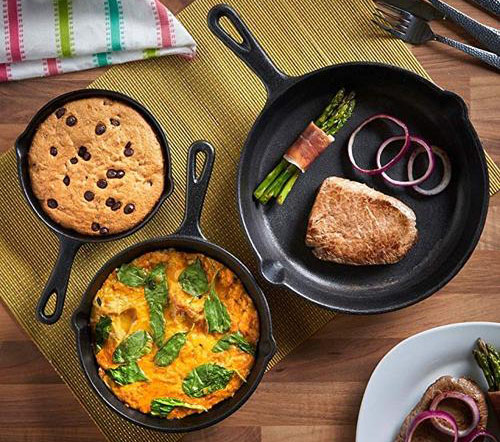
- The Searing-to-Roasting Pipeline: You can place a skillet on a high-powered gas burner or induction cooktop to achieve a phenomenal, restaurant-quality crust on a thick steak or pork chop, then slide the entire pan straight into a hot oven to finish cooking the interior evenly.
- Baking and One-Pan Meals: Skillets are the absolute gold standard for baking artisanal cornbread, upside-down fruit cakes, rustic frittatas, and pan pizzas. The pre-heated heavy iron creates an instant crust the moment batter or dough touches the surface.
2. Raw vs. Enameled Skillet Oven Limits
While both types of cast iron handle high heat exceptionally well, their structural components dictate their limits:
- Raw Pre-Seasoned Cast Iron: Made entirely of bare metal with an integral iron handle, raw skillets have virtually no temperature limit in a standard home oven. They are often used at maximum residential oven settings (500°F+ / 260°C+) for seasoning sessions or broiling.
- Enameled Cast Iron Skillets: Sealed with a vitreous porcelain-glass glaze, enameled skillets are safe for high-heat baking and roasting. However, you should check manufacturer guidelines—most are rated safely up to 260°C (500°F). Exceeding this can occasionally stress the bond between the glass and the iron core.
Cast Iron Skillet Oven Safety Limits
| Skillet Type / Component | Max Safe Oven Temperature | Critical Precautions & Rules |
| Raw Cast Iron Skillet | Unlimited / 550°F+ (288°C+) | Entirely metal; ensure no wooden or plastic parts are attached. |
| Enameled Cast Iron Skillet | Up to 500°F (260°C) | Check manufacturer rating; avoid sudden thermal shock. |
| Silicone Assist Handles | Up to 400°F – 450°F (204°C–232°C) | Remove if baking at maximum temperatures or using the broiler. |
| Stainless Steel / Iron Knobs | Unlimited / 500°F+ (288°C+) | Completely safe for high-heat baking and broiling. |
Frequently Asked Questions (FAQ)
Can I put a cast iron skillet in a 500°F (260°C) oven?
Yes. Both raw and most high-quality enameled cast iron skillets are completely safe in a 500°F oven. Always confirm that your specific skillet does not feature any auxiliary plastic handles or non-rated components before reaching high temperatures.
Can silicone handle covers stay on the skillet in the oven?
Most high-temperature silicone handle grips are rated up to 400°F to 450°F (204°C to 232°C). If you are baking bread, roasting at maximum temperatures, or turning on the oven broiler, you must slide the silicone grips off to prevent melting or scorching.
Why should I preheat my cast iron skillet in the oven?
Preheating your skillet in the oven ensures that the entire mass of the iron absorbs thermal energy uniformly. When you add cornbread batter, pizza dough, or searing meats to a pre-heated pan, it prevents sticking and guarantees a crisp, golden crust instantly.
How do I safely handle a hot cast iron skillet coming out of the oven?
Because cast iron retains heat intensely, the handle will become blazing hot. Always use heavy-duty, dry oven mitts or specialized leather handle holders, and clearly warn anyone nearby that a hot pan has been removed from the oven.