
Are Enamel Coated Cast Iron Pans Good? The Ultimate Guide and Expert Verdict
Yes, enamel coated cast iron pans are exceptionally good, combining the legendary heavy-duty thermal mass and uniform heat distribution of traditional cast iron with a protective, non-reactive porcelain-glass glaze. This dual nature makes them 100% rustproof, safe for high-acid foods like tomatoes and wine, and completely maintenance-free since they require zero oil seasoning. They deliver brilliant culinary performance across all cooktops, including induction and high-heat ovens.
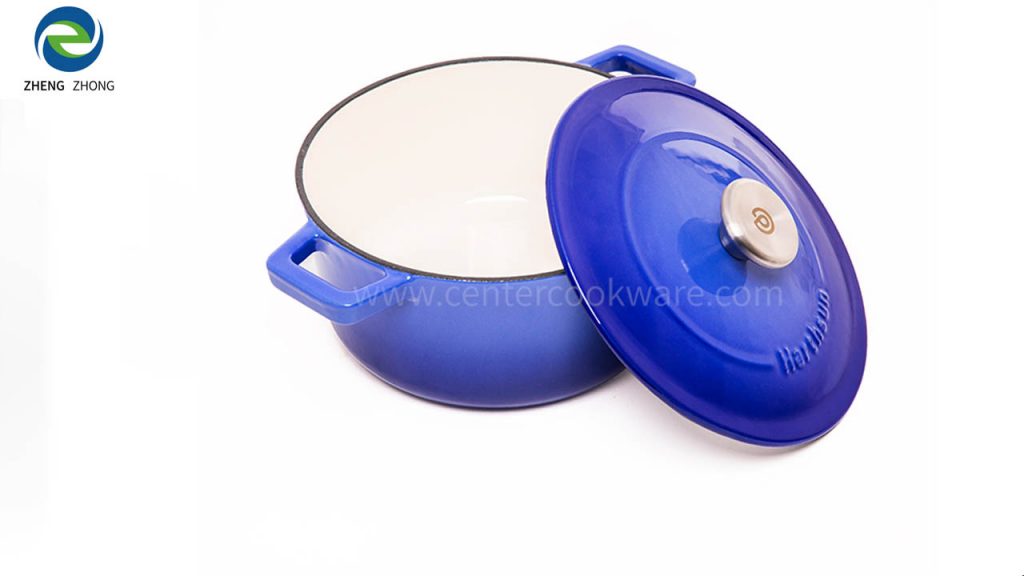
1. Exceptional Thermal Mass and Cooking Versatility
The core strength of any cast iron pan lies in its density. Unlike lightweight aluminum or thin stainless steel pans that fluctuate wildly in temperature, enamel-coated cast iron acts as a thermal battery.
- Steady Heat Distribution: Once preheated properly, the heavy iron-carbon alloy core stores vast amounts of energy and radiates it uniformly across the base and walls, eliminating hot spots.
- Stove-to-Oven-to-Table Adaptability: Whether you are searing a thick steak on a high-powered gas burner, baking a frittata in a 260°C (500°F) oven, or bringing a vibrant, glossy skillet directly to the dining table as chic serveware, these pans handle it all.
2. Zero Maintenance and Permanent Rust Immunity
Traditional raw cast iron requires diligent oil polymerization (seasoning) and careful drying to prevent red rust. Enamel-coated pans eliminate these hurdles entirely:
- Glass-Sealed Core: The baked-on vitreous porcelain glaze completely seals the iron core from ambient moisture and oxygen, making the pan 100% rustproof.
- Simple Cleanup: Because the cooking surface is smooth, non-porous glass, cleaning requires nothing more than warm water, mild dish soap, and a soft sponge—no special scrubbing tools or post-wash oiling rituals needed.
3. Total Acid Safety and Chemical Freedom
Health-conscious home cooks and professional chefs praise enameled pans for their complete chemical inertness:
- Non-Reactive Cookware: High-acid ingredients like tomato marinara, wine reductions, and citrus marinades will strip seasoning off raw iron and leach a metallic taste into food. Enamel glaze handles any pH level safely.
- Toxic-Free Kitchenware: Premium enameled pans are entirely free from synthetic non-stick polymers (such as PFAS, PFOA, and PTFE) as well as heavy metals like lead and cadmium.
4. Advanced Manufacturing: Machine-Casting and Proprietary Frits
The quality of an enamel-coated pan depends heavily on its foundry roots. Leading manufacturers utilize automated machine-casting to produce high-density iron blanks with uniform wall thicknesses and absolute resistance to high-heat warping. When paired with independently developed in-house enamel frits fired at extreme kiln temperatures (740°C to 790°C), the porcelain glaze fuses permanently to the metal, maximizing chip resistance and longevity.
Enamel Coated Cast Iron vs. Alternative Pans
| Performance Metric | Enamel Coated Cast Iron Pan | Raw Pre-Seasoned Cast Iron | Traditional Non-Stick Pan (PTFE) |
| Maintenance Effort | Low (Soap, water, zero seasoning) | High (Requires ongoing oil seasoning) | Delicate (Requires gentle handling and hand wash) |
| Rust Immunity | 100% Protected (Glass sealed core) | Vulnerable (Rusts quickly if left wet) | High (Resists rust, but coating degrades) |
| Acidic Food Safety | Complete (Inert glass safely handles tomatoes/wine) | Poor (Acids strip seasoning and leach iron flavor) | Complete (Inert surface, but prone to scratching) |
| Lifespan & Durability | Heirloom Quality (Decades of heavy use) | Indestructible Metal (Lasts generations) | Short-Lived (Coating fails in 2 to 5 years) |
Frequently Asked Questions (FAQ)
Are enamel coated cast iron pans better than raw cast iron pans?
Neither is strictly "better," as they serve different cooking styles. Enamel coated pans are superior if you want zero-maintenance cleaning, rust immunity, and the ability to cook high-acid foods without seasoning worries. Raw cast iron is preferred if you want a pan that builds a natural non-stick patina over years of use and can handle aggressive metal scraping.
Do enameled cast iron pans require oil seasoning?
No. Because the cooking surface is sealed with a baked-on porcelain-glass glaze, zero oil seasoning is required. You can wash the pan with mild dish soap and water and begin cooking immediately out of the box.
Can I use metal utensils on an enamel coated cast iron pan?
While the porcelain glaze is tough, you should avoid sharp metal utensils, knives, or metal whisks. Metal edges can scratch, dull, or eventually chip the glossy interior glaze. Using wooden, silicone, or heat-resistant nylon tools is strongly recommended.
Do enamel coated cast iron pans work on induction cooktops?
Yes. Because these pans feature a heavy ferrous metal (iron-carbon alloy) core, they are naturally magnetic and interact perfectly with modern induction cooktops, heating up rapidly and efficiently.