
Exploring the Benefits of Cast Iron Cookware: Why Every Kitchen Needs It
Cast iron cookware provides exceptional culinary benefits, anchored by its unmatched thermal mass, superior heat retention, and total cooking versatility across gas, electric, induction, and oven environments. Unlike lightweight aluminum or thin stainless steel, heavy cast iron acts as a thermal battery, ensuring uniform browning and steady, controlled simmers. Furthermore, while traditional raw cast iron enriches foods with trace dietary iron, modern enameled cast iron offers these exact thermal performance benefits paired with a 100% non-reactive, chemical-free glass glaze that requires zero seasoning.
1. Superior Thermal Mass and Heat Retention
The defining physical characteristic of cast iron is its immense density. While modern synthetic pans fluctuate wildly in temperature when cold ingredients are dropped onto their surface, cast iron absorbs and stores vast quantities of heat energy.
- Eliminates Hot Spots: Once preheated properly, cast iron distributes energy evenly across the entire base and walls, preventing food scorching.
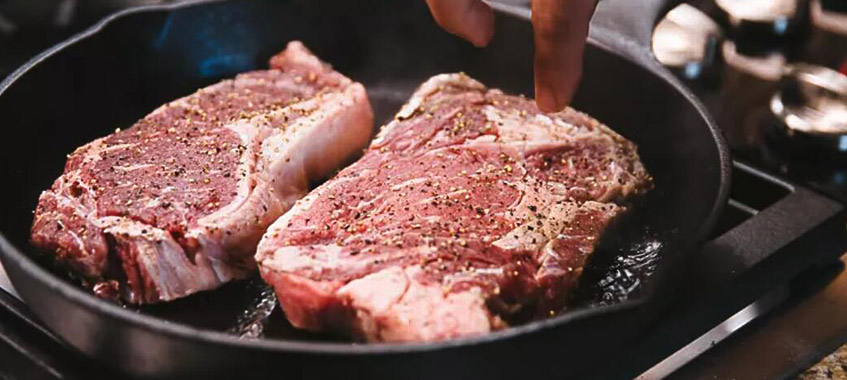
- Flawless Searing Power: It allows home cooks and professional chefs to achieve deep, restaurant-quality crusts on steaks, chops, and roasted vegetables.
- Energy Efficiency: Because it holds heat so effectively, burners can frequently be turned down to low or medium settings once the pot reaches cooking temperature, saving energy over long braising times.
2. Ultimate Versatility Across Cooktops and Heat Sources
Very few cookware materials can match the adaptability of cast iron. Whether you are outfitting a high-end modern kitchen or cooking over an open campfire, cast iron handles it all:
- Universal Cooktop Compatibility: Performs brilliantly on gas flames, electric coils, ceramic smoothtops, and modern induction cooktops.
- Oven and Broiler Safe: Transitioning a heavy Dutch oven or skillet straight from the stovetop into a 260°C (500°F) oven to bake artisan bread or finish a casserole requires zero equipment changes.
- Table-to-Stove Serveware: Enameled cast iron pieces feature vibrant exterior finishes that double as elegant presentation vessels for serving stews, roasts, and gratins directly at the dining table.
3. Chemical-Free Safety and Health Benefits
In an era where modern consumers are increasingly mindful of synthetic kitchen chemicals, cast iron offers complete peace of mind:
- Naturally PFAS- and PFOA-Free: Unlike cheap chemical non-stick pans that can degrade and release harmful fumes under high heat, pure cast iron and porcelain enamel surfaces contain zero toxic fluoropolymers.
- Non-Reactive Cooking (Enameled Cast Iron): Vitreous glass enamel provides an inert surface, allowing you to simmer high-acid ingredients—such as tomato sauces, wine reductions, and citrus marinades—for hours without metallic leaching or flavor alteration.
4. Heirloom Durability and Longevity
While lightweight cookware frequently dents, warps, or loses its non-stick coating within a few years, cast iron is built to last for generations. High-tier manufacturing processes—such as automated machine-casting—yield dense, warp-resistant iron blanks that withstand intense thermal stress, making a quality cast iron pot a true lifetime investment.
Data Table: Cast Iron vs. Alternative Cookware Materials
| Performance Feature | Cast Iron (Raw or Enameled) | Stainless Steel Cookware | Synthetic Non-Stick (PTFE) |
| Thermal Mass & Heat Retention | Exceptional (Acts as a steady thermal battery) | Moderate (Relies on thick core aluminum disks) | Low (Prone to temperature drops) |
| Durability & Lifespan | Lifetime / Heirloom (Decades of heavy use) | Long-lasting (May warp under extreme shock) | Short-lived (Coating degrades in 2–5 years) |
| Chemical Safety | 100% Free of PFAS, PFOA, and toxic coatings | Inert metal, but requires careful nickel/chrome watch | Risk of toxic fumes if overheated (>260°C) |
| Maintenance Requirements | Low (Enameled) to Moderate (Seasoned raw iron) | Moderate (Requires cleaning agents to prevent spots) | High (Requires delicate silicone tools and hand washing) |
Frequently Asked Questions (FAQ)
What are the main benefits of cooking with cast iron cookware?
The primary benefits include unmatched heat retention, even heat distribution across all burners (including induction), incredible versatility from stovetop to oven, and long-term durability that outlasts synthetic pans by decades.
Is enameled cast iron better than traditional raw cast iron?
Neither is strictly "better," as they serve different preferences. Traditional raw cast iron allows you to build a natural non-stick seasoning layer and adds trace iron to food, while enameled cast iron provides the exact same thermal performance with zero seasoning requirements and complete resistance to rust and food acids.
Does cast iron cookware work on modern induction cooktops?
Yes. Because cast iron is a ferrous metal, it is naturally magnetic and interacts perfectly with induction cooktops, heating up rapidly and efficiently.
Is cast iron cookware safe from toxic chemicals?
Yes. Cast iron and enameled cast iron are entirely free from synthetic non-stick chemicals such as PFAS, PFOA, PTFE, lead, and cadmium, making them one of the safest and most natural choices for healthy cooking.