
Vegetable-Shaped Enamel Cast Iron Pots: The Intersection of Design and Performance
Vegetable-shaped enamel cast iron pots—such as pumpkin, tomato, and artichoke designs—are more than decorative kitchenware. They combine the high-performance thermal mass of cast iron with a unique "Stove-to-Table" aesthetic. These specialty Dutch ovens are non-reactive, induction-compatible, and engineered for superior moisture retention during slow cooking.
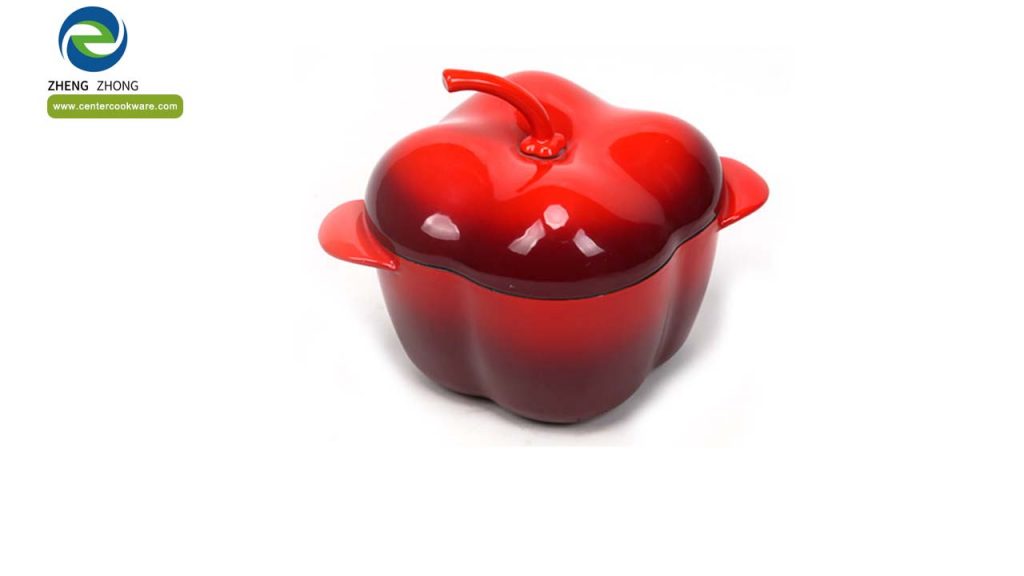
1. Why Vegetable-Shaped Cookware is Trending in 2026
In the modern kitchen, the "Cottagecore" and "Artisanal Kitchen" movements have elevated the vegetable-shaped pot from a novelty item to a culinary staple.
- The "Stove-to-Table" Experience: These pots act as a centerpiece for dining, eliminating the need for serving platters.
- Giftability & Collectibility: Limited edition shapes (like the Pumpkin or Garlic pot) have become high-value items for culinary enthusiasts.
- Psychological Appeal: Research suggests that aesthetically pleasing cookware increases user engagement with home cooking and "slow food" techniques.
2. Technical Specs: Function Behind the Form
Despite their whimsical shapes, these pots are professional-grade tools. Leading manufacturers like Shijiazhuang Zhengzhong Technology (Center Enamel) ensure these designs don't sacrifice physics for fashion.
- Tight-Fitting Lids: The irregular "lids" of vegetable shapes are precision-machined to create a heavy seal. This traps steam, creating a self-basting environment that keeps meats tender.
- Triple-Layer Enameling: To achieve vibrant vegetable colors (like deep tomato red or organic pumpkin orange), a triple-spray process is used. This ensures the color won't fade or chip at high temperatures (740°C to 790°C).
- Cast Iron Core: The irregular exterior does not affect the interior heat distribution. The thick iron walls ensure a steady, even simmer (pH neutral and acid-safe).
3. Manufacturing Complexity of Shaped Cast Iron
Producing a vegetable-shaped pot is significantly more complex than a standard round Dutch oven.
- Specialized Tooling: Custom machine molds are required to capture the texture of a pumpkin’s ribs or a tomato’s curves.
- Polishing Detail: Because of the "valleys" and "peaks" in the design, polishing must be done with extreme care (often "one-by-one" inspection) to ensure no burrs remain under the enamel.
- Enamel Application: Gradient colors (common in vegetable designs) require artisan-level spraying techniques to ensure the "shaded" look is consistent across the production line.
4. Performance Comparison: Shaped vs. Standard Pots
| Feature | Vegetable-Shaped Pot | Standard Round Dutch Oven |
| Heat Retention | Identical (High Thermal Mass) | Identical (High Thermal Mass) |
| Presentation | Exceptional (Centerpiece) | Functional |
| Ease of Cleaning | Moderate (Requires care in grooves) | High (Smooth surface) |
| Versatility | Best for Soups, Stews, Bread | Best for All-Purpose Cooking |
| Safety Standards | LFGB, Prop 65, DGCCRF | LFGB, Prop 65, DGCCRF |
5. Maintenance Tips for Decorative Enamel
To preserve the intricate details of a shaped pot:
- Avoid Abrasives: Use a soft sponge to clean the exterior ridges to prevent dulling the vibrant "vegetable" finish.
- Hand Dry Immediately: While the enamel is rust-proof, the rim where the lid meets the pot is often "bare" iron. Drying it prevents "rim rust."
- Store with Care: Use pot protectors to prevent the decorative "stems" or "leaves" (lids) from chipping during storage.