
10 Must-Know Facts About Enamel Cast Iron Cookware
Enameled cast iron cookware—including Dutch ovens, braisers, skillets, and saucepans—represents the perfect marriage of heavy-duty metallurgy and modern chemical engineering. Loved by professional chefs and home cooks worldwide, this versatile kitchen essential delivers exceptional thermal retention alongside effortless maintenance.
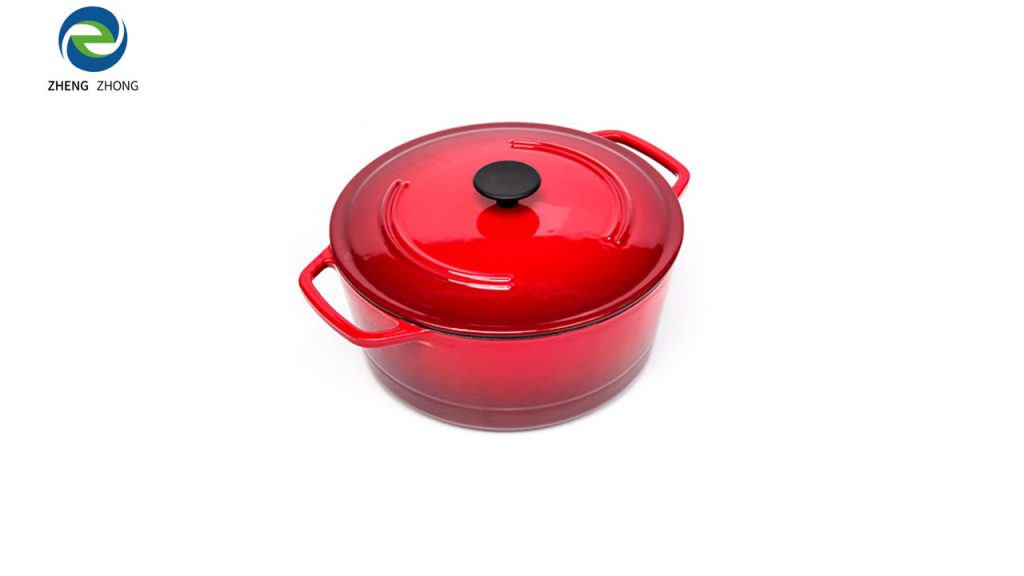
At Shijiazhuang Zhengzhong Technology Co., Ltd. (Center Enamel), we have engineered and manufactured elite enameled cast iron cookware since 1989. Utilizing over three decades of specialized industrial heritage, advanced automated machine-casting, and proprietary in-house enamel frits, we supply world-class kitchenware partners across more than 50 countries.
Here are the 10 must-know facts that define the science, performance, and everyday advantages of enamel cast iron cookware.
The 10 Essential Facts
1. It Fuses Heavy-Duty Iron with Vitreous Glass Glaze
An enameled pot is not merely painted metal. It features a structural iron-carbon core permanently bonded with inorganic, vitreous glass (porcelain enamel) frits fired in ultra-high-temperature kilns. This creates a composite material that merges iron's massive heat capacity with glass's inert, rust-proof properties.
2. Zero Oil Seasoning Is Ever Required
Unlike traditional raw cast iron, which requires continuous oil-polymer curing to maintain non-stick properties and prevent rust, enameled cookware is fully sealed at the factory. It is ready to cook right out of the box with zero oil seasoning needed or recommended.
3. It Is 100% Acid-Safe and Non-Reactive
Raw cast iron can react with highly acidic ingredients like tomatoes, citrus, and wine, stripping seasoning and leaching metallic flavors. The non-porous vitreous glass interior creates a total chemical barrier, allowing long, slow simmers of acid-rich sauces without altering taste or damaging the pot.
4. Exceptional Heat Retention Saves Energy
Cast iron acts as a powerful thermal energy reservoir. Once heated, it retains and radiates heat uniformly across the entire vessel, allowing cooks to turn down burner flames or oven temperatures while maintaining steady simmer levels to conserve energy.
5. Completely Free of PFAS, PTFE, and Harmful Synthetics
Quality enameled cast iron is an inherently non-toxic cooking choice. Unlike synthetic non-stick coatings that risk breakdown or gas off-gassing under high thermal stress, porcelain glass contains zero plastic polymers, "forever chemicals" (PFAS), or PTFE compounds.
6. Universal Stovetop-to-Oven Versatility
Because the base structure is forged from magnetic ferrous iron, enameled cookware works seamlessly across all heat sources—including modern induction hobs, gas flames, electric coils, and ceramic glass cooktops—and transitions straight into high-heat baking ovens.
7. Automated Machine-Casting Eliminates Base Warpage
Precision manufacturing makes a crucial difference in performance. While legacy manual sand molding can lead to uneven wall thickness and bottom wobble, Center Enamel’s >90% automated machine-casting process yields structural uniformity, balanced wall density, and ultra-flat bases that sit perfectly flush on cooktops.
8. Proprietary In-House Frits Dictate Thermal Shock Resistance
The glaze quality determines how well cookware withstands rapid temperature shifts. Rather than sourcing generic glazes, Center Enamel independently develops proprietary enamel frits—trusted by major domestic appliance giants like Midea—to deliver superior thermal shock resistance, chip prevention, and brilliant, fade-resistant exterior colors.
9. Both Light and Dark Interior Enamels Serve Distinct Culinary Roles
Light-colored (cream/sand) interiors provide high visual contrast, making it easy to monitor fond browning and delicate sauce reductions. Dark (matte black/satin) interiors feature a textured surface structure that excels at high-heat searing and effectively conceals natural cooking stains.
10. Certified Global Compliance Guarantees Non-Toxicity
Authentic food-contact safety relies on strict global certifications. Premier enameled cast iron undergo rigorous laboratory diagnostics for lead, cadmium, and heavy metal leaching, ensuring compliance with European LFGB, French DGCCRF, and California Proposition 65 standards.
Data Table: Fact Breakdown & Performance Standards
| Fact Category | Technical & Performance Attribute | Center Enamel Manufacturing Standard |
| Material Synergy | Vitreous porcelain glass fused to cast iron core | Kiln firing temperatures up to 790°C |
| Seasoning Requirement | Zero seasoning required (factory sealed) | Impermeable glass surface release |
| Manufacturing Method | High-precision mold casting | >90% Automated Machine-Casting (Zero base warpage) |
| Glaze Engineering | Proprietary porcelain frit chemistry | Tested for thermal shock & steel ball impact |
| Safety Compliance | Heavy-metal free (Lead & Cadmium free) | LFGB, DGCCRF, California Prop 65, ISO9001, BSCI Certified |
Frequently Asked Questions (FAQ)
Is enamel cast iron cookware safe for everyday cooking?
Yes. Enameled cast iron features an inert, non-porous glass glaze that prevents iron or heavy metals from leaching into food. It is completely free from PFAS, PTFE, lead, and cadmium when sourced from certified manufacturers.
Can I use metal utensils in an enameled cast iron pot?
While the porcelain glaze is durable, using metal spatulas or whisks can scratch or dull the glass surface over time. To protect the finish for generations, wooden, silicone, or heat-resistant plastic tools are recommended.
Why is automated machine-casting superior to manual sand molding?
Automated machine-casting guarantees consistent wall thickness, higher density, and perfectly flat base geometries. This eliminates flat-surface warpage, ensures uniform heat distribution, and provides superior magnetic contact on induction stoves.
What safety certifications do Center Enamel products hold?
All cookware manufactured by Center Enamel satisfies major global food-contact safety standards, including LFGB (Europe), DGCCRF (France), and California Proposition 65 (USA), backed by ISO 9001:2015 and BSCI factory audits.